Technical
Planning a Healthier Home Before You Pick Up a Brush
A good paint job is partly technical and partly about how you feel in the finished room. Here is how to plan a refresh that supports comfort, airflow and energy at home.
Why two coats is the usual answer, when you need more, and how colour, surface and paint type change the maths.
Few questions come up more often than how many coats of paint a job will take. The honest answer is that two coats is the standard for most interior work, but the real figure depends on a handful of variables that are easy to understand once explained. Treating two as a minimum rather than a guaranteed maximum will save a good deal of frustration and the disappointment of a patchy, translucent finish.
The first factor is opacity, often described as coverage or hiding power. Paints differ enormously in how effectively they obscure what lies beneath. A dense, well-pigmented paint may hide in two coats where a thin, economy product needs three. Resisting the temptation to apply one very thick coat is important here: thick coats sag, dry unevenly and can crack, whereas two or three thin, even coats build a stronger, smoother and more durable film. The old advice to lay on thin and often holds true.
Colour change is the next major factor. Painting a pale colour over a dark one, or any colour over a strong red, yellow or deep blue, frequently demands extra coats because strong underlying pigments bleed through. The reverse, going darker, is usually easier. Where a dramatic colour change is involved, an appropriately tinted undercoat or primer close to the final shade can cut the number of topcoats needed and gives a more even, saturated result than piling on coat after coat of the finish colour.
The surface itself also dictates coats. Bare, porous substrates such as new plaster, fresh filler or raw timber drink in the first coat, so that initial application acts largely as a primer or sealer and contributes little to the final appearance. On such surfaces a sealing or mist coat plus two topcoats is common, effectively three applications. A previously painted, sound and similarly coloured wall, by contrast, may look perfectly even after a single refresh coat, though two remains the safe recommendation for a consistent result.
Sheen plays a subtler role. Glossier finishes tend to show inconsistencies in film thickness more readily, so an even build across the whole surface matters more, whereas flat matt is more forgiving of slight variation. Deep, intense colours in any sheen often need an extra coat simply because the colourants used reduce the paint's natural opacity.
Allowing proper drying time between coats is as important as the number of coats themselves. Recoating before the previous layer has dried can drag and lift the film, spoiling both appearance and adhesion, while patient recoating lets each layer build cleanly on the last. The practical approach is to prepare well, apply a sound first coat, let it dry fully, and then judge by eye whether one further coat achieves full, even cover or whether the particular combination of colour and surface calls for one more. Planning for two, and keeping a little paint in reserve for a possible third, is the sensible way to avoid running short mid-job.
A good paint job is partly technical and partly about how you feel in the finished room. Here is how to plan a refresh that supports comfort, airflow and energy at home.
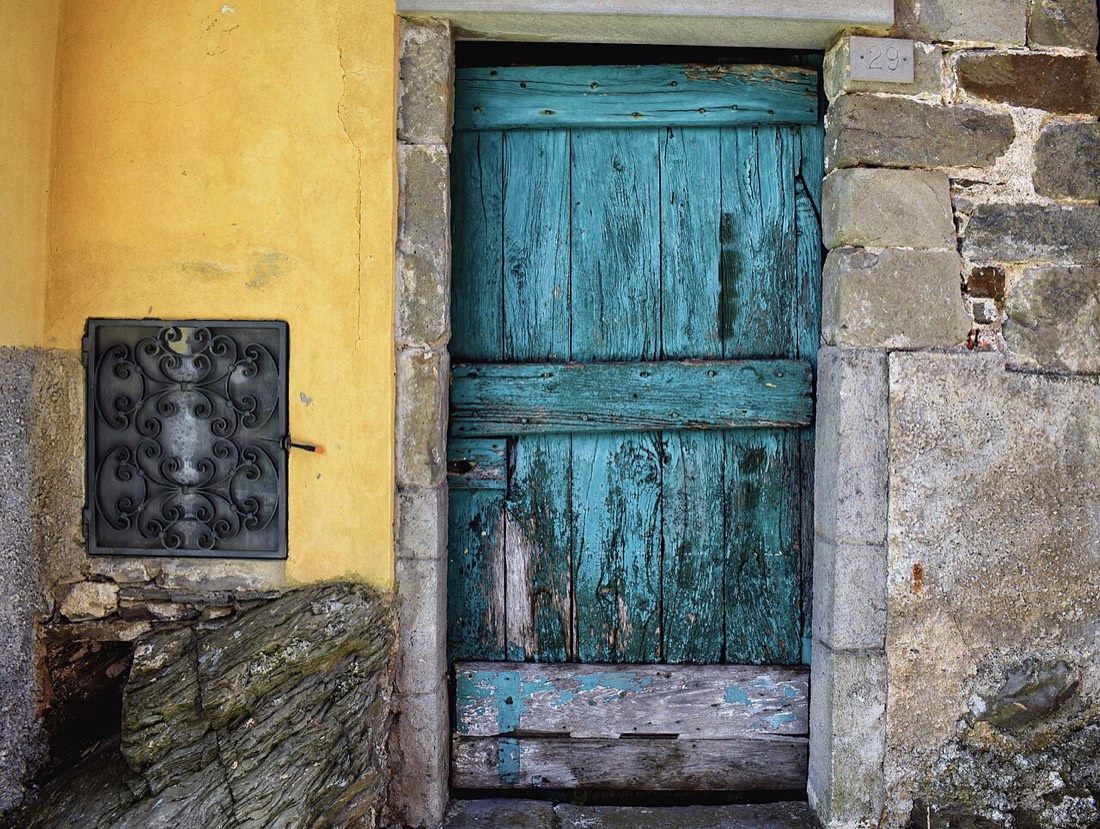
There is a particular calm that blue-green shades bring to a room, a quality drawn straight from the meeting of sea and sky. These colours sit between
Broken colour techniques create depth that flat paint cannot. By working a glaze with cloth, sponge, or brush, you reveal layers of tone. The result i