Technical
Planning a Healthier Home Before You Pick Up a Brush
A good paint job is partly technical and partly about how you feel in the finished room. Here is how to plan a refresh that supports comfort, airflow and energy at home.
Broken colour techniques create depth that flat paint cannot. By working a glaze with cloth, sponge, or brush, you reveal layers of tone. The result i
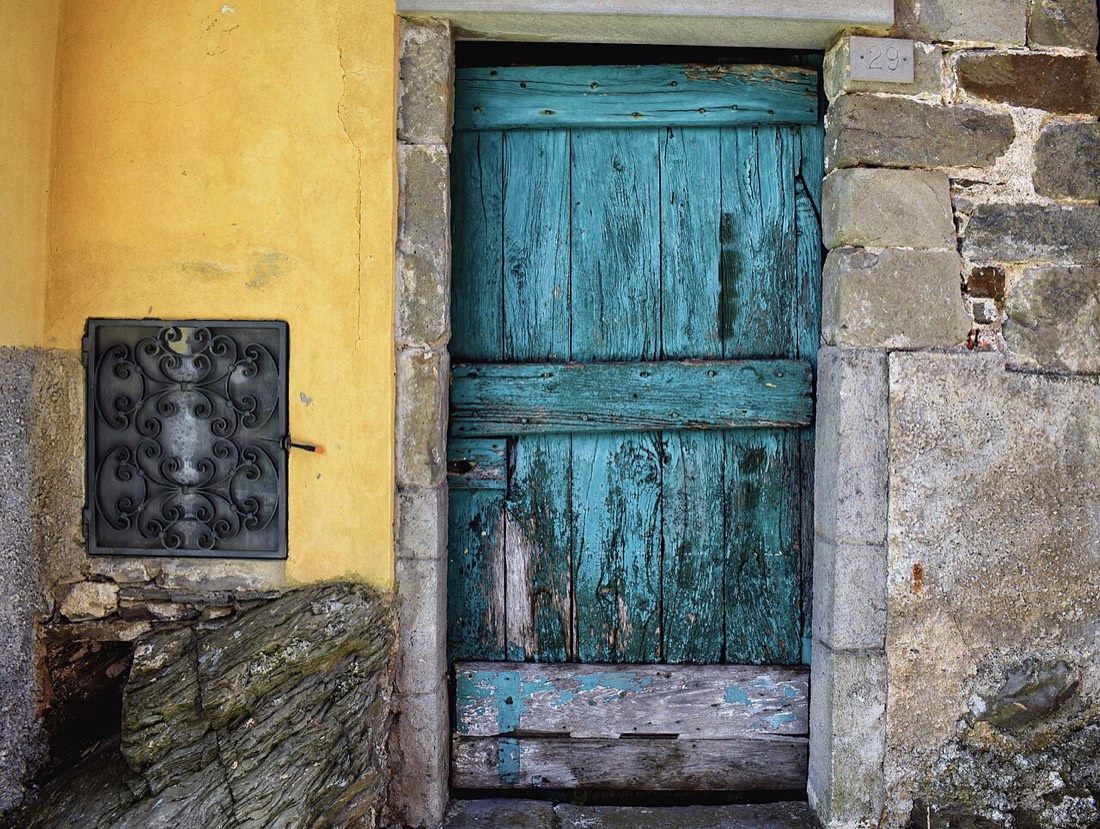
Broken colour techniques create depth that flat paint cannot. By working a glaze with cloth, sponge, or brush, you reveal layers of tone. The result is a soft, mottled surface full of subtle variation. These hand techniques bring craft to a wall. Broken colour is decorating with real texture.
Rag rolling is one of the best-known broken colour techniques. A rolled or bunched cloth lifts or applies glaze in soft, irregular marks. This creates a gentle, cloudy texture across the wall. The effect is tactile and hand-made. Rag rolling is a classic of the craft. Chosen with a little care, it rewards the room for years to come.
The techniques work by layering a thinned glaze over a base. The base colour glows through the broken top layer. Choosing tones close together gives subtlety; greater contrast gives drama. The two layers create depth through the hand. Broken colour is a conversation of layers. Against the right companions, it feels intentional rather than accidental.
Sponging offers a different broken-colour effect. A natural sponge dabs glaze on or lifts it off for a stippled texture. This creates a fine, speckled movement across the wall. It suits a subtle, understated result. Sponging is gentler than rag rolling. A touch of restraint here is what separates a good room from a forgettable one.
Colour choice shapes the mood of a broken finish. Warm earthy tones evoke old plaster and Mediterranean walls. Soft neutrals give a subtle, textured backdrop. Bolder contrasts create dramatic movement. The technique flatters many colour families. Lived with over time, it only grows more convincing in the space.
These finishes are gentle of imperfect walls. The broken texture disguises small flaws in the plaster. There is no crisp uniformity to expose every bump. This makes the techniques friendly to older walls. Broken colour hides what it should. A touch of restraint here is what separates a good room from a forgettable one.
Light brings a broken-colour wall to life. The subtle texture catches and scatters light differently across the day. Morning sun and evening lamplight each reveal new depth. The wall never looks quite the same twice. This liveliness is part of the appeal. It is the kind of choice that marks a room as thoughtfully put together.
The techniques reward a free hand. Fighting for uniformity defeats the purpose of broken colour. Embracing the irregularity gives the wall its charm. Practising on a board first builds confidence. A little abandon is the secret. It is the kind of touch that marks a room as thoughtfully put together.
Broken colour suits interiors that value character. It belongs in rooms with natural linen, worn timber, and gathered antiques. The textured walls feel hand-made and timeworn. This soulfulness draws people to the techniques. The finish and the room share a spirit.
These finishes offer richness that modern flat paint lacks. The layered glazes create a luminosity that reads as crafted. Over the years this quality grows more charming. It is a finish that rewards close looking. Broken colour has real depth.
Once fashionable, then forgotten, broken colour is ripe for rediscovery. The techniques bring a hand-made soul that trends cannot fake. For a room craving texture and craft, they deliver. These skills are worth reviving. Old techniques still have much to offer. The effect is subtle yet unmistakable once the light settles across it.
The choice of glaze colour shapes the whole effect. A tone close to the base gives subtle movement, while a contrasting one creates drama. This decision sets the mood of the wall. The two layers converse through the chosen colours. The glaze is where the character lives. Seen from day to night, it keeps the room feeling alive.
These techniques flatter feature walls especially well. Concentrating the effect on one wall adds depth without overwhelming a room. The textured surface becomes a quiet focal point. The surrounding walls can stay plain for balance. One worked wall is often enough. It is the kind of touch that marks a room as thoughtfully put together.
If you long for walls with real texture and movement, broken colour is a soulful path. Try rag rolling or sponging, layer a base and a close glaze, and work with a loose hand. Embrace the irregularity and let good light reveal the depth. Pair it with natural textures. The result is a wall with genuine hand-made character.
A good paint job is partly technical and partly about how you feel in the finished room. Here is how to plan a refresh that supports comfort, airflow and energy at home.
There is a particular calm that blue-green shades bring to a room, a quality drawn straight from the meeting of sea and sky. These colours sit between

A monochrome scheme builds a whole room from shades of a single colour. Rather than one flat note, it layers light to dark within one family. The resu