Colour
Choosing the Right Sheen for Every Room in the House
The right paint sheen does as much work as the colour itself, balancing how a room looks, how it wears, and how easily it cleans.
Older woodwork carries decades of history in its grain and profiles, so restoring it well means repairing and refreshing without stripping away the very character that makes it worth keeping.
Period woodwork is one of the quiet pleasures of an older home. The deep skirting boards, moulded architraves, panelled doors and shaped window surrounds were made with an eye for proportion that is hard to find in modern joinery. Over the years, though, that woodwork gathers layers of paint, knocks, splits and the ordinary wear of daily life. The temptation is to make it look brand new. The wiser aim is to make it look well cared for, because the character you value lives in the details that time has given it, and those are easy to lose in an overzealous restoration.
Before touching anything, it pays to look closely and understand the woodwork in front of you. Old timber behaves differently from new. It has often dried and settled over many decades, it may have absorbed generations of paint, and its profiles were frequently cut by hand or with tools that left a particular crispness or softness to the edges. Those profiles are the heart of the character. A moulding that has been painted many times may have lost some of its definition under the build-up, and part of thoughtful restoration is deciding how much of that definition to recover and how much paint to leave undisturbed.
It also helps to know whether earlier finishes were oil-based, as many older coatings were. This affects how the surface will respond to cleaning, filling and repainting, and it is worth taking time to assess rather than assuming. A small, careful test in an inconspicuous spot tells you a great deal about what you are working with before you commit to a whole room.
Much period woodwork does not need stripping at all. Often the paint film is sound and simply tired, dulled by years of surface dirt and small marks. In that case the kindest approach is to clean it gently, let it dry, and lightly key the surface so a fresh coat will hold. Heavy stripping is a serious decision, because taking woodwork back to bare timber can remove crisp detail along with the paint and can expose the surface to new problems. Stripping makes sense where paint is failing, flaking or so thickly built up that it has drowned the mouldings, but it is not a default step.
Where stripping is genuinely needed, patience protects the detail. Working carefully around the profiles, rather than scraping hard across them, preserves the sharp lines and shaped edges that give the woodwork its quality. The goal is to reveal and protect the shape, not to grind it away in pursuit of a clean surface.
Splits, dents and small areas of damaged timber are part of living with old woodwork, and most can be repaired without replacing anything. Filling and making good should aim to blend in, following the existing lines and profiles so the repair disappears rather than drawing the eye. Where a section is beyond repair, matching the profile of any replacement to the original is what keeps the room coherent. A run of skirting or a length of architrave that almost matches but not quite will always look slightly off, so careful matching is worth the effort.
The principle throughout is restraint. You are mending and consolidating, not remaking. Every repair should ask whether it supports the original character or competes with it, and the best repairs are the ones nobody notices.
It is worth remembering that old timber continues to move gently with the seasons, expanding and contracting a little as humidity changes. A small gap or hairline crack that opens along a join is often part of this natural movement rather than a sign of failure, and a flexible, well-chosen filler copes with it far better than a hard, brittle one that will crack again at the first change of weather. Working with the behaviour of the wood, rather than trying to lock it rigidly in place, gives repairs that last and keeps the surface looking settled rather than patched.
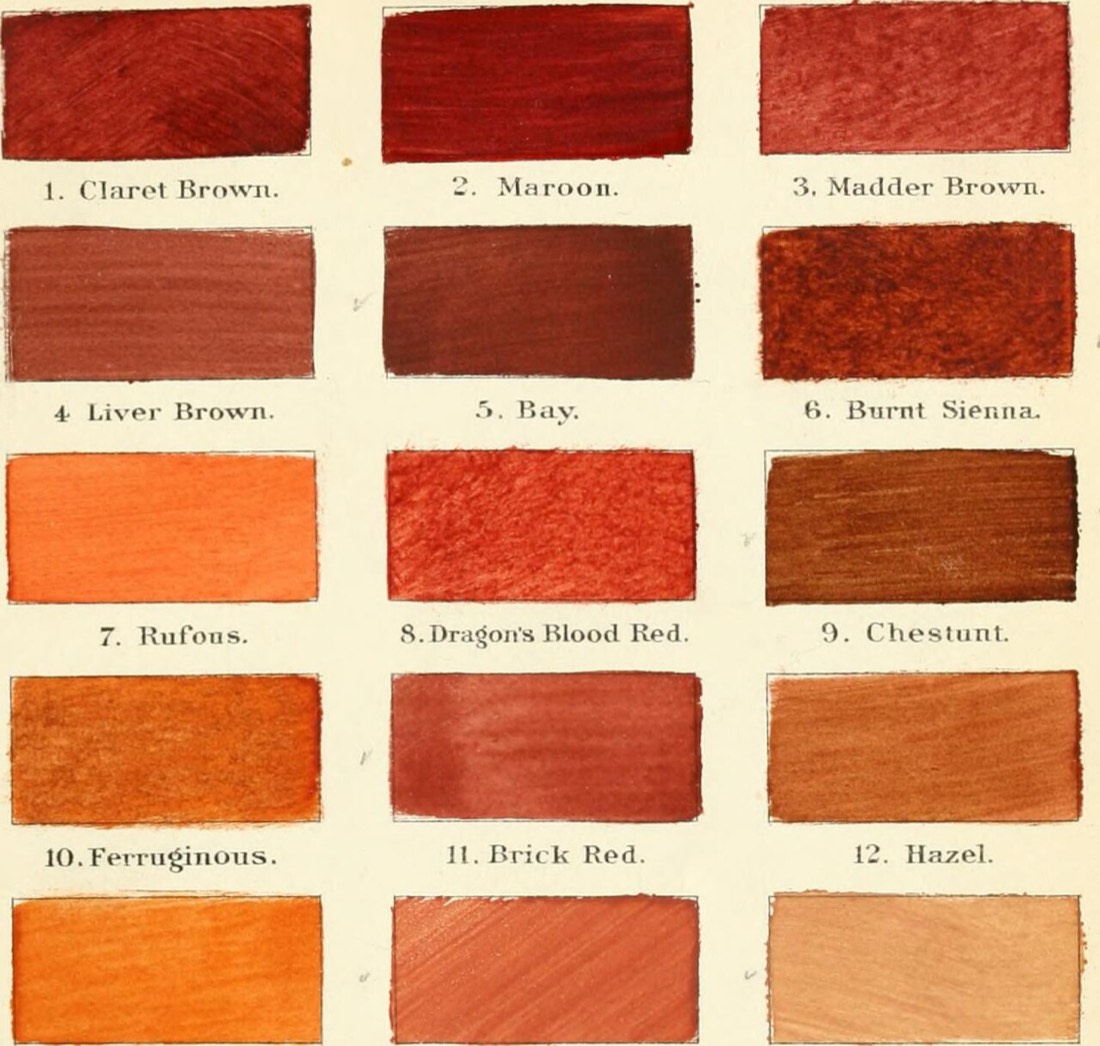
When it comes to repainting, the finish does a lot to set the tone. Period woodwork often looks most at home in a finish with a soft sheen rather than a hard, glossy modern look, though this depends on the age and style of the house and on personal taste. A gentle sheen catches the light across the mouldings and shows off their shape without the slightly plasticky appearance that a very high gloss can give. Colour choice matters too. Soft off-whites, muted period shades and quiet neutrals tend to sit comfortably with older architecture, letting the proportions and detailing speak rather than fighting them with something too stark or too bright.
Applying the finish well is part of honouring the woodwork. Thin, even coats brushed into the profiles keep the detail crisp, whereas thick coats clog the mouldings and start to undo the very definition you have been trying to protect. A few patient coats will always serve old woodwork better than one heavy one.
Restoring period woodwork well is really an exercise in judgement. At every stage there is a choice between doing more and doing less, and more often than not, less is the answer. The marks of age, the slightly softened edges, the sense that the timber has been part of the house for a long time, all of this is worth keeping. A sensitive restoration cleans, mends and refreshes while leaving that history intact, so the woodwork looks cared for rather than replaced. Done this way, the room keeps its soul, and the craftsmanship of whoever first cut those mouldings carries on quietly into another generation.
The right paint sheen does as much work as the colour itself, balancing how a room looks, how it wears, and how easily it cleans.

Open-plan living removes the walls that once defined where one colour ended and another began. A considered palette keeps the space cohesive without making it monotonous.
Paint colour is never just decoration. It shapes mood, energy and calm, and the smartest choices start with how you want each room to make you feel.