
Colour
Choosing a Colour Palette for an Open-Plan Home
Open-plan living removes the walls that once defined where one colour ended and another began. A considered palette keeps the space cohesive without making it monotonous.
The right paint sheen does as much work as the colour itself, balancing how a room looks, how it wears, and how easily it cleans.
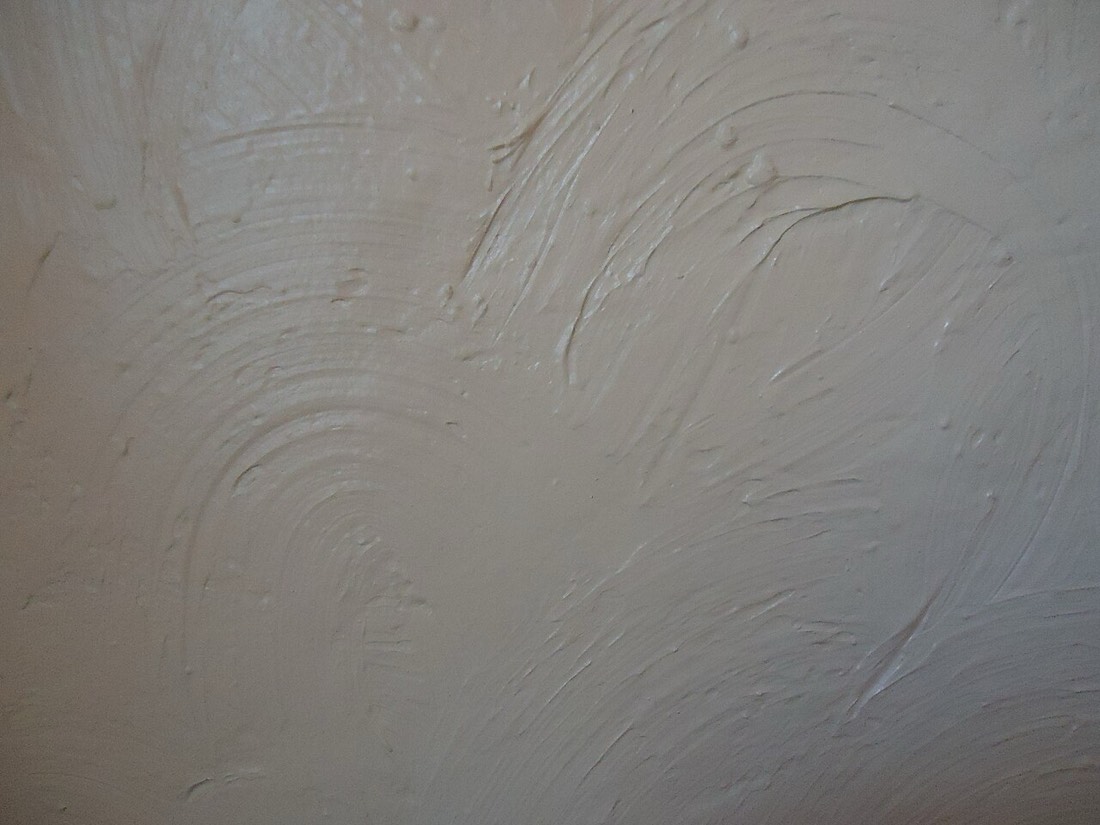
Most people choosing paint spend their energy on colour and barely give a thought to sheen, yet sheen quietly decides how a finished room actually looks and performs. Two walls painted the same shade can feel entirely different depending on whether the finish is flat and soft or glossy and reflective. Sheen governs how light plays across a surface, how forgiving the paint is of imperfections, and how well it stands up to scuffs, splashes, and repeated cleaning. Choosing well, room by room, is one of the simplest ways to make a decorating job look professional and last.
Sheen runs along a scale from matt at one end to high gloss at the other, with several useful finishes in between. As a rough rule, the flatter the finish, the softer and more velvety it looks, and the better it hides lumps and bumps in the wall. The shinier the finish, the more light it bounces back, the tougher and more wipeable it tends to be, and the more ruthlessly it reveals every flaw underneath. Nearly every decision about sheen is a trade between these two truths.
For the walls of living rooms, bedrooms, and most hallways, a matt or flat finish is usually the natural choice. These are spaces where you want walls to feel calm and even, and matt paint delivers exactly that. It absorbs light rather than reflecting it, which softens the room and does a kind favour to older walls by disguising minor unevenness, filler marks, and the small imperfections that come with age. The result reads as warm and settled rather than slick.
The trade-off is durability. Matt finishes are the hardest to clean, and aggressive scrubbing can leave a burnished patch where the sheen has been rubbed up. In a quiet bedroom this rarely matters. In a busy family living room or a hallway where bags and shoulders brush the walls, you might lean toward a modern matt emulsion designed to be a little more washable, which keeps the soft look while tolerating the occasional wipe.
Kitchens and bathrooms change the priorities entirely. Here, moisture, steam, grease, and frequent cleaning are the daily reality, and a flat finish simply will not cope. These rooms call for something tougher, typically a satin or an eggshell finish on the walls, or in some cases a specialist moisture-resistant emulsion made for the job. These finishes carry a gentle sheen that sheds splashes and allows you to wipe surfaces clean without wearing away the paint.
Woodwork in these rooms, and indeed throughout the house, is a separate consideration. Skirting boards, door frames, and doors take knocks and need regular cleaning, so they are usually finished in eggshell, satin, or gloss. Eggshell gives a soft, low-sheen look that suits period homes and hides minor flaws in the timber. Gloss is the most hard-wearing and easiest to wipe, though its high shine shows up every dent and brushstroke, so it rewards careful preparation and a steady hand.
Ceilings are the one place where almost everyone agrees on flat. A dedicated matt ceiling paint hides the inevitable minor irregularities overhead and, crucially, avoids reflecting light down into the room in a way that would highlight every ripple in the plaster. Since ceilings rarely need cleaning, the lack of durability is no loss, and the soft, uniform look is exactly what the space wants.
High-traffic areas deserve their own thought. Stairwells, landings, and children's rooms take a great deal of wear, and a slightly higher sheen pays off there even if a flatter finish would look marginally softer. The ability to wipe away fingerprints and scuffs without repainting is worth the small compromise in appearance. Many people split the difference by using a durable matt or a satin on the lower portions of a wall and a softer finish higher up, where hands and furniture never reach.
One point worth keeping in mind is how sheen interacts with the walls you already have. A glossy or satin finish throws light across the surface and, in doing so, draws the eye to every bump, crack, and patch of uneven filler. On a wall that is less than perfectly smooth, a higher sheen can make flaws look worse than they are. A flatter finish, by contrast, is genuinely forgiving and can rescue a tired wall that would look poor under anything shinier.
This is why preparation and sheen go hand in hand. If you intend to use a satin or gloss on a wall, the surface beneath needs to be filled, sanded, and smoothed with real care, because the finish will expose any shortcut. If the walls are old and imperfect and you would rather not spend days on preparation, a matt finish is both the easier and the more flattering choice.
It is also worth remembering that sheen affects how a colour is perceived, not just how a wall performs. The same shade can look richer and deeper in a flat finish and a touch brighter and cooler in a satin, because the finish changes how much light bounces back to the eye. If you have chosen a colour from a sample, it pays to view that sample in the sheen you intend to use rather than a different one, since a swatch in matt and a swatch in satin can read as noticeably different colours even when the paint is identical.
Choosing sheen well comes down to honestly matching the finish to how a room is used. Flat for the calm, low-wear spaces. A touch of sheen where cleaning and moisture demand it. Tough, wipeable finishes on the woodwork that takes a daily beating. Get these choices right and the colour you agonised over has the best possible chance to look exactly as you hoped, in every room of the house.
Open-plan living removes the walls that once defined where one colour ended and another began. A considered palette keeps the space cohesive without making it monotonous.
Paint colour is never just decoration. It shapes mood, energy and calm, and the smartest choices start with how you want each room to make you feel.

Open-plan living is sought for its space and flow, but it can feel shapeless. Without walls to define them, cooking, dining, and lounging areas blur i