Every decorating job begins with a quiet decision that shapes everything that follows, which is how the paint is going to go on. Brush, roller or spray are not interchangeable options you pick by habit. Each one suits particular surfaces, finishes and situations, and choosing well is the difference between a result that looks effortless and one that announces every stroke. The surface in front of you usually tells you which tool to reach for, if you know how to read it.
The brush, and where it still wins
The brush is the oldest tool of the trade and still the most versatile for detail. Its great strength is control. A good brush follows the shape of a surface, works paint into corners and grooves, and lets you cut a clean line where two colours or two surfaces meet. For skirting boards, architraves, window frames, door panels and the edges of walls, nothing replaces it. The bristles carry paint into the grain of timber and leave a finish that feels worked in rather than sitting on top.
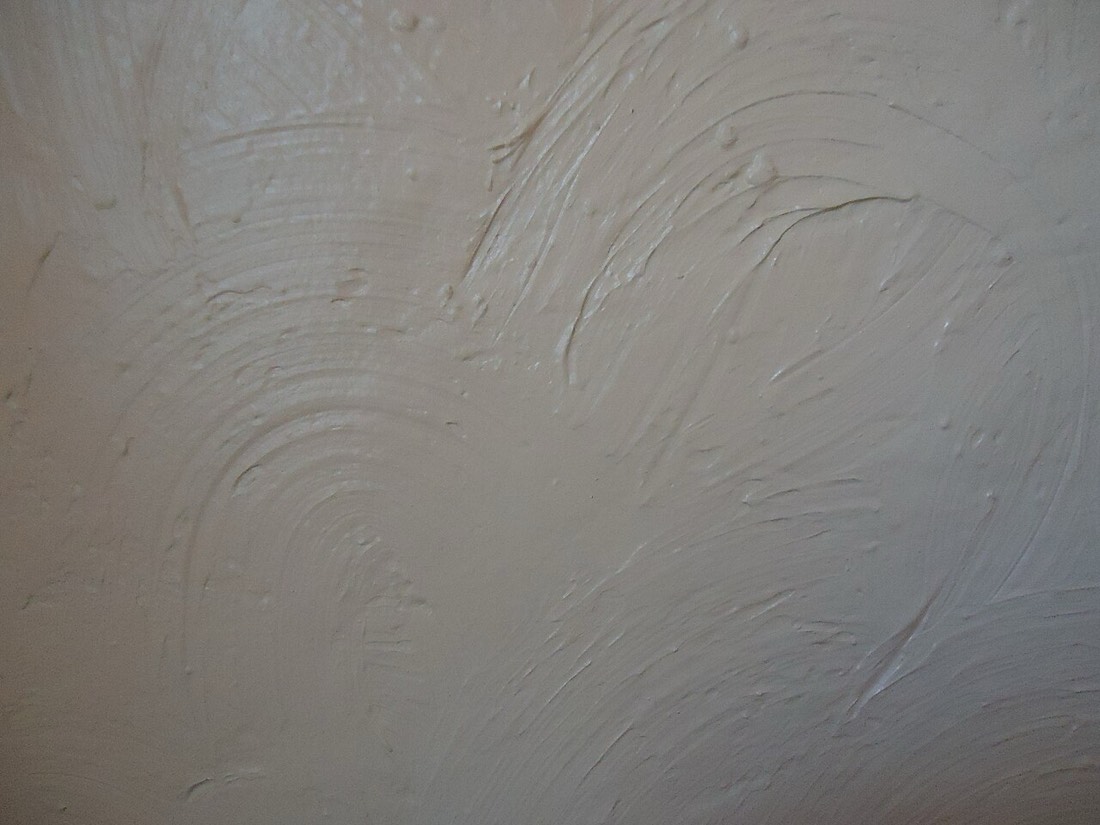
Brushes do leave their mark, though, and on broad flat surfaces that becomes a problem. Brush strokes catch the light, and a large wall painted entirely by brush will show them. The brush is therefore best thought of as a precision tool. It handles the parts of a room that demand accuracy and the surfaces where its texture reads as craftsmanship rather than a flaw. Choosing the right brush also matters, with synthetic bristles generally suiting water-based paints and natural bristles traditionally favoured for oil-based finishes.
The roller for speed and even coverage
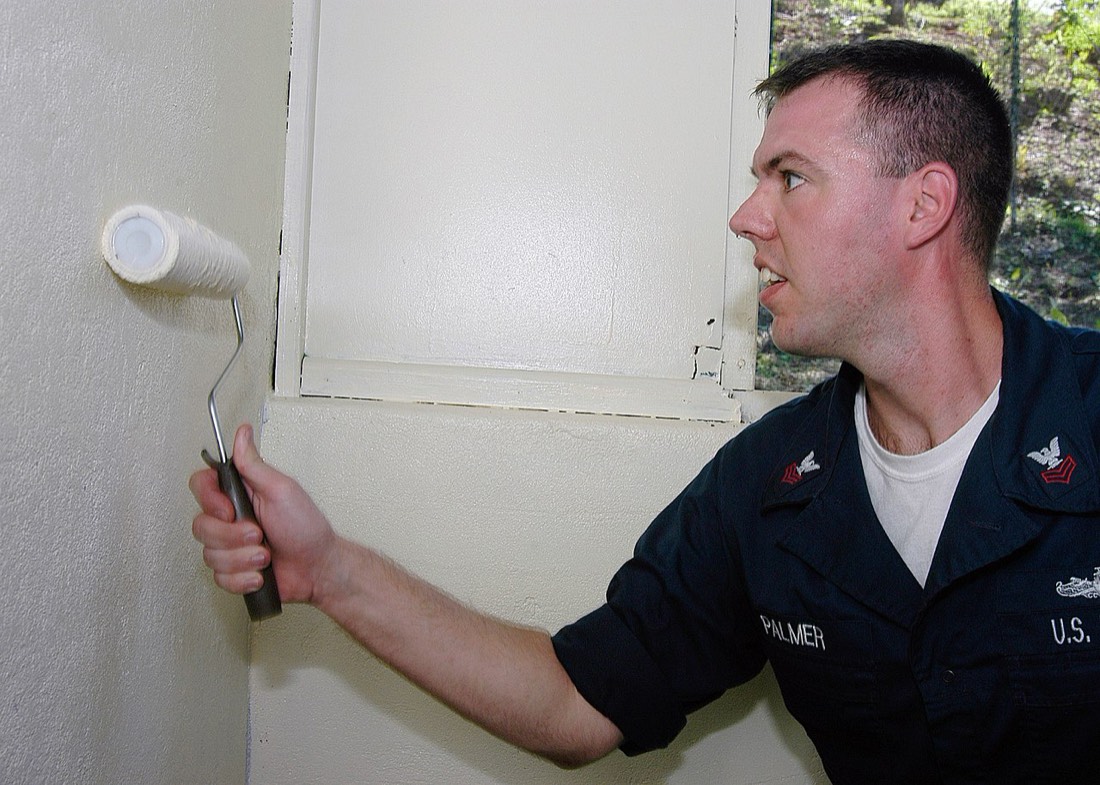
When the surface is large and flat, the roller comes into its own. Walls and ceilings are its natural home. A roller lays paint down quickly and evenly, and the slight texture it leaves is uniform across the whole surface, so the eye reads it as a consistent finish rather than a series of marks. The length of the pile makes a real difference here. A short pile gives a smooth, tight finish and suits plaster and already-smooth walls, while a longer pile holds more paint and reaches into the texture of rougher surfaces such as masonry or textured plaster.
The roller does have blind spots. It cannot reach into corners or along the edges where a wall meets the ceiling or skirting, which is why rolling and brushing almost always go together. The usual rhythm is to cut in the edges with a brush first, then roll the main field of the wall up to those cut lines while the edges are still workable, so the two blend without an obvious join. Used this way, the roller does the heavy lifting and the brush tidies the margins, and the surface ends up even from corner to corner.
Spraying and the finish it offers
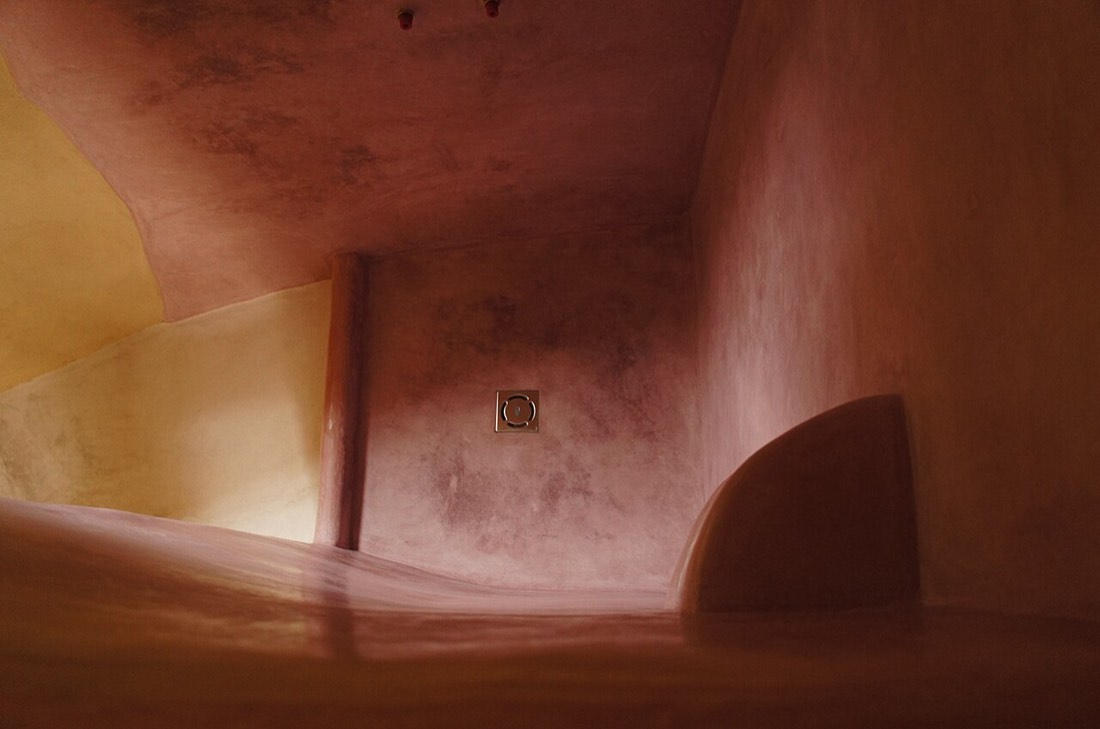
Spray application sits apart from the other two. Instead of dragging paint across a surface, it lays down a fine mist that settles into an exceptionally smooth, even film with no brush or roller texture at all. For the smoothest possible result on doors, cabinetry, panelling and intricate joinery, spraying is hard to beat. It also covers complex shapes quickly, reaching into mouldings and profiles that would take a brush some patience.
That smoothness comes with demands. Spraying throws paint into the air, so everything you do not want painted has to be masked and covered, and the surrounding area needs protecting properly. It takes practice to keep the coat even and avoid runs or a patchy build-up, and it uses more paint than the other methods because some is always lost to overspray. For these reasons spraying rewards preparation and tends to suit situations where the superior finish justifies the extra setup, particularly on joinery and surfaces that will be seen and touched closely.
Spraying also depends more than the other methods on the condition of the paint itself. It usually needs to be thinned and strained so it flows evenly through the equipment, and a surface prepared beneath it has nowhere to hide, since the thin even film shows every bump or blemish the preparation left behind. That is part of why spraying rewards the decorator who does not rush. The preparation beforehand matters as much as the spraying itself, and when both are done with care the result is a finish that simply cannot be matched by hand.
Reading the surface
The honest way to choose is to stop thinking about the tool and look hard at the surface. Is it broad and flat, or narrow and detailed? Is it smooth or textured? Will it be viewed from across the room or inspected at arm's length? A large wall points towards a roller with a brush for the edges. A run of skirting or a window frame points towards a brush. A smooth door that you want to look flawless points towards spraying, if you are set up for it, or a brush and a fine finish if you are not.
Many jobs call for more than one tool, and there is no contradiction in that. A single room might be rolled on the walls, brushed on the woodwork and, for the keenest finish on the doors, sprayed. The skill lies in matching each surface to the method that flatters it, rather than forcing one tool to do everything.
A tool for the job in front of you
None of these three is better than the others in any absolute sense. The brush offers control, the roller offers even coverage at speed, and the spray offers a flawless film. Good decorating comes from recognising what each surface is asking for and answering with the right tool. Once you start reading surfaces that way, the choice stops feeling like a matter of taste and starts feeling obvious, and the finished room shows it.