Technical
Planning a Healthier Home Before You Pick Up a Brush
A good paint job is partly technical and partly about how you feel in the finished room. Here is how to plan a refresh that supports comfort, airflow and energy at home.
Older homes carry a memory of colour in their very fabric, often hidden under later coats. Scrape back a windowsill or a skirting and you may uncover
Older homes carry a memory of colour in their very fabric, often hidden under later coats. Scrape back a windowsill or a skirting and you may uncover ochres, deep greens, or soft stone shades from another age. Restoring a period palette is partly detective work and partly respect for the house itself. It is about letting the building be itself again. The reward is a home that feels honest to its own story.
Each era of building favoured its own distinctive range of colours. Georgian interiors leaned on soft stones, muted blues, and dignified greens, mixed from the pigments then available. Victorian rooms grew richer and deeper, embracing dark reds, bottle greens, and warm browns. Knowing the period of your home points you toward colours that will feel right. History becomes a guide rather than a constraint.
Pigment availability once shaped the whole palette of a home. Early colours were ground from earth, minerals, and whatever nature provided locally, which is why heritage shades feel so grounded. The soft, slightly greyed quality of period colours comes from these humble origins. Modern reproductions aim to capture that muted, mineral character. Understanding the origin explains the gentle depth these colours possess.
Matching an original colour begins with careful study. Paint scrapes, taken from protected spots where old layers survive, reveal the true historic shades. Specialists can even analyse these layers to date and identify the original colour. Even an amateur eye can learn a great deal from a patient scrape and a bright light. The house, it turns out, keeps its own records.
Finish is as historically telling as colour in an older home. Many heritage interiors used soft, chalky distempers and matt oil finishes rather than modern sheens. A flat, mineral quality on the walls instantly reads as more authentic than a plastic emulsion. Matching the finish to the era deepens the sense of truth in a restoration. Sheen, like colour, carries a date.
Restoring heritage colour need not mean living in a museum. The best period restorations let old colours frame modern life comfortably. A Georgian stone on the walls sits perfectly behind contemporary art and everyday clutter. The palette grounds the room while the living of it stays firmly in the present. Respect for history and real comfort are not enemies.
Woodwork in an older home deserves particular attention. Heritage schemes rarely used stark brilliant white, favouring soft off-whites, stones, or colours drawn from the walls. Painting trim a gentle shade rather than a glaring white instantly calms a period room. It also flatters the old timber and plaster around it. The result feels gathered rather than renovated.
Light in older homes often behaves differently from that in modern builds. Smaller windows, thicker walls, and deeper reveals shape how colour reads indoors. Heritage colours were chosen for exactly these conditions, which is partly why they suit the rooms so well. Testing them in the actual, often dimmer light is still essential. The colour and the architecture were made for one another.
A heritage palette brings a quiet composure that newer schemes struggle to match. There is a settledness to a soft Georgian green or a deep Victorian red that feels earned. The colours seem to belong to the house rather than decorate it. This rootedness is the true prize of a sensitive restoration. The room feels less styled and more inevitable. Lived with over time, it only grows more convincing in the space.
Sourcing the right paint for a heritage project rewards a little care. Specialist ranges reproduce historic colours and finishes with real fidelity. Choosing from these, rather than guessing at a modern approximation, pays off in authenticity. The investment is modest against the character it preserves. Good materials honour the work of the original builders. Seen from day to night, it keeps the room feeling dynamic.
To restore heritage colour is to join a continuity that began long before you. You are simply the latest custodian of a house that has worn many coats. Choosing colours faithful to its era passes that story on intact. It is a generous, unselfish kind of decorating. The house will outlast you, dressed a little more like itself. Seen from day to night, it keeps the room feeling dynamic.
If you live in an older home, resist the urge to whiten every surface. Investigate what lies beneath, learn your home's period, and let its true palette guide you. Soften the woodwork, flatten the finishes, and choose colours with earthy, historic depth. The result will feel rooted rather than merely renovated. A period home repays those who listen to it.
A good paint job is partly technical and partly about how you feel in the finished room. Here is how to plan a refresh that supports comfort, airflow and energy at home.
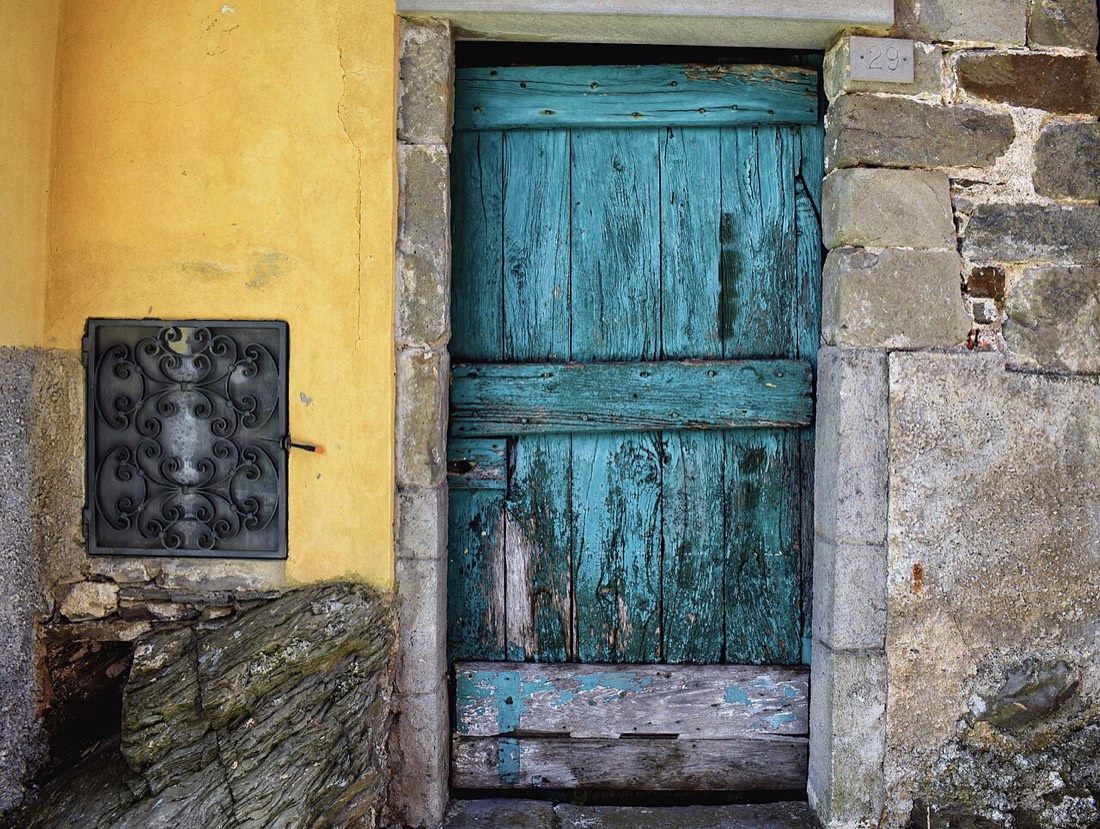
There is a particular calm that blue-green shades bring to a room, a quality drawn straight from the meeting of sea and sky. These colours sit between
Broken colour techniques create depth that flat paint cannot. By working a glaze with cloth, sponge, or brush, you reveal layers of tone. The result i