Technical
Planning a Healthier Home Before You Pick Up a Brush
A good paint job is partly technical and partly about how you feel in the finished room. Here is how to plan a refresh that supports comfort, airflow and energy at home.
The old advice that small rooms must be painted light is only half the story. While pale colours can open a space, they can also leave it feeling cold

The old advice that small rooms must be painted light is only half the story. While pale colours can open a space, they can also leave it feeling cold and characterless. The real aim is to make a small room feel considered rather than cramped. Sometimes that means embracing depth rather than fleeing from it. The best small rooms feel like a choice, not an apology.
Painting walls, ceiling, and woodwork a single colour can make a small room feel larger. When the edges where wall meets ceiling disappear, the eye loses its sense of boundary. The room reads as one soft, enveloping volume rather than a box with corners. This trick works beautifully with soft neutrals and gentle, muted shades. Blurring the lines quietly expands the space.
Dark colours in a small room can be surprising rather than claustrophobic. A deep, inky study or a moody little cloakroom feels intimate and rich. Because you stop trying to pretend the room is big, it gains a confident character instead. The darkness hides the boundaries almost as effectively as pale paint reveals them. Smallness becomes an asset to savour.
Light remains the great ally of any small-room scheme. A pale colour only opens a space if there is light to bounce around it; in a dim room it can fall flat. Judging how much natural light you have should guide the whole decision. A bright little room can carry a crisp pale shade, while a dark one may prefer to lean into its mood. Work with the light you actually have.
Continuity of colour between a small room and the space beyond helps enormously. When a compact room flows into a hallway in a related shade, the eye reads them as connected. This visual link borrows a sense of space from the rooms next door. Harsh changes of colour at every doorway, by contrast, chop a small home into tiny cells. Flow makes a modest footprint feel more generous.
Finish affects the perception of size more than most people realise. A soft sheen bounces light and can lift a dim small room, while a dead-matt absorbs it. In a tight, bright space, an eggshell on the woodwork adds a gentle luminosity. In a cosy, deliberately dark room, a flatter finish deepens the enveloping mood. Matching sheen to intention is a quiet but powerful lever.
Vertical colour tricks can lift a low-ceilinged room. Carrying the wall colour a little onto the ceiling, or painting the ceiling a touch lighter, draws the eye upward. Avoiding a hard, contrasting line at the top of the wall prevents the room feeling capped. These subtle moves add a sense of height without any building work. The eye is easily, happily fooled.
Accent walls, often reached for in small rooms, can actually divide. A single contrasting wall chops the space and announces exactly where it ends. Wrapping the room in one colour usually feels more spacious than breaking it up. If you crave contrast, place it in art or furnishings rather than on one isolated wall. Unity tends to read as room.
Reflective touches amplify whatever light a small room receives. A mirror placed to catch a window doubles the daylight and the view. A soft sheen on skirtings and a pale floor bounce brightness around the space. These reflective elements work hand in hand with the paint colour. Light, once captured, should be allowed to travel. Lived with over time, it only grows more convincing in the space.
The ceiling is the most overlooked surface in small-room decorating. A ceiling painted the same soft shade as the walls erases the boundary overhead. A crisp contrasting ceiling, by contrast, slams a lid on the room. Treating the ceiling as part of the scheme, not a separate white afterthought, pays off. Up is a direction worth decorating. Lived with over time, it only grows more at home in the space.
Ultimately, a small room succeeds when it feels loved rather than merely minimised. Whether you choose airy pale or confident dark, commit to the idea fully. A half-hearted compromise reads as cramped, while a decisive scheme reads as charming. Size matters far less than conviction. The smallest rooms are often the most memorable when handled with nerve. It is the kind of choice that marks a room as thoughtfully put together.
So before reaching automatically for brilliant white, ask what mood your small room wants. Assess the light, decide between airy and cocooning, and wrap the space in one coherent idea. Mind the ceiling, soften the edges, and let light travel through sheen and mirror. The result will feel considered, whatever its square footage. Small, done well, is a style all its own.
A good paint job is partly technical and partly about how you feel in the finished room. Here is how to plan a refresh that supports comfort, airflow and energy at home.

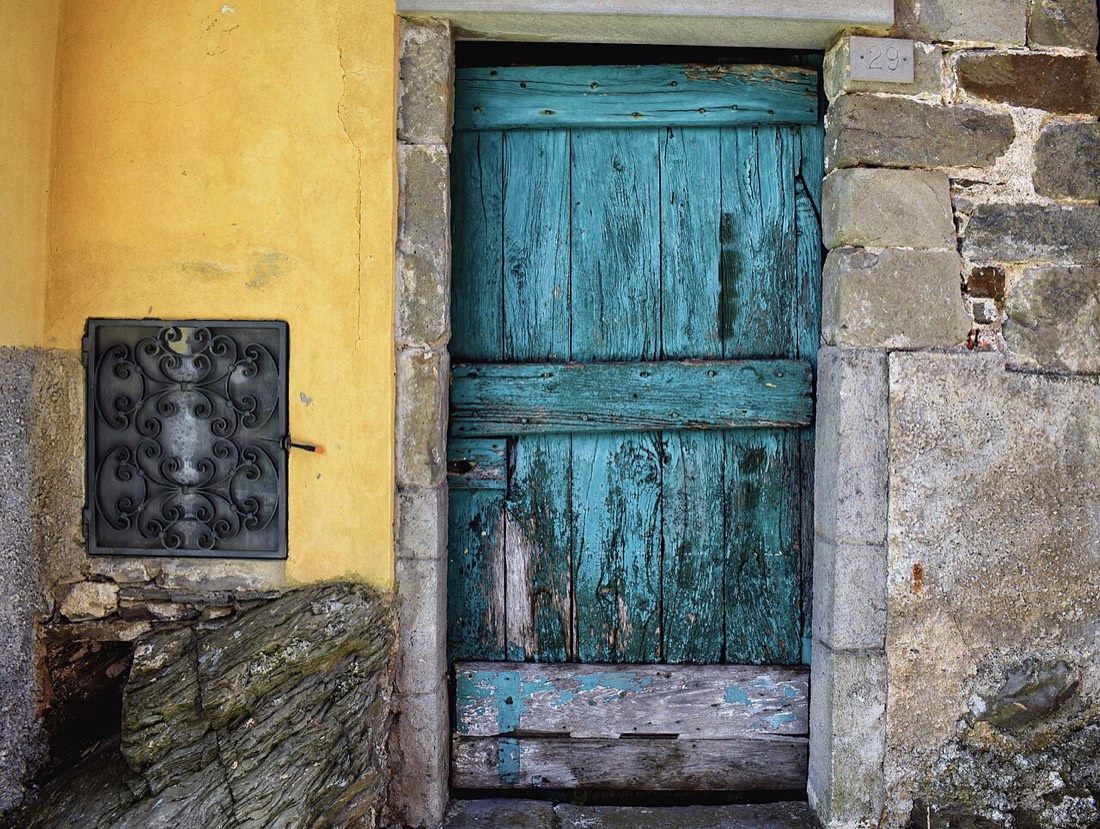
There is a particular calm that blue-green shades bring to a room, a quality drawn straight from the meeting of sea and sky. These colours sit between
Broken colour techniques create depth that flat paint cannot. By working a glaze with cloth, sponge, or brush, you reveal layers of tone. The result i