Technical
Planning a Healthier Home Before You Pick Up a Brush
A good paint job is partly technical and partly about how you feel in the finished room. Here is how to plan a refresh that supports comfort, airflow and energy at home.
Trompe l'oeil tricks the eye into reading depth on a two-dimensional surface. Shadow and foreshortening do the deceiving. The illusory scene rewards t
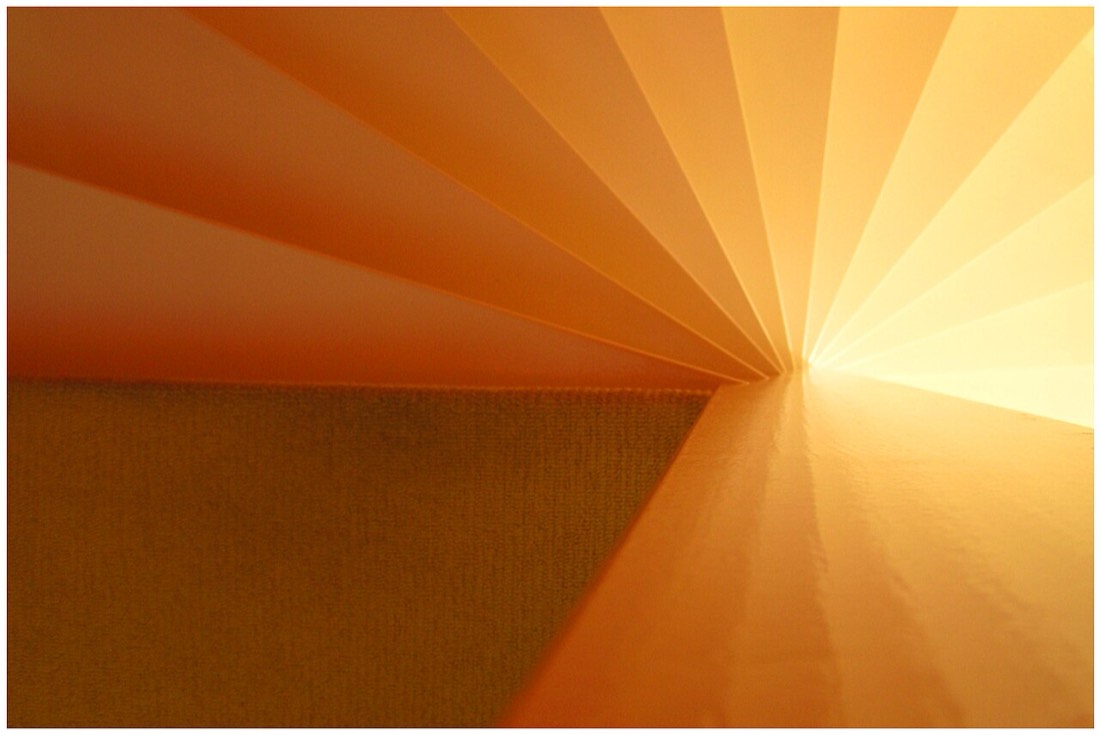
Trompe l'oeil tricks the eye into reading depth on a two-dimensional surface. Shadow and foreshortening do the deceiving. The illusory scene rewards the hand.
A single light source governs the shadows that make the illusion hold. Confuse the light and the spell collapses. Logic anchors it.
Perspective must answer with the viewer's likely position. A scene drawn for one vantage reads from there. The viewpoint matters.
Graduated transitions of tone model form so edges recede away convincingly. Hard edges betray the illusion. Soft tone makes the depth.
Beginning with a modest motif, such as a niche, builds the skill before a grand scene. Scale comes after practice. Steps rewards.
A convincing trompe l'oeil enlarges a wall into painted space. The solid plaster turns into a view. Craft transforms the room.
A good paint job is partly technical and partly about how you feel in the finished room. Here is how to plan a refresh that supports comfort, airflow and energy at home.
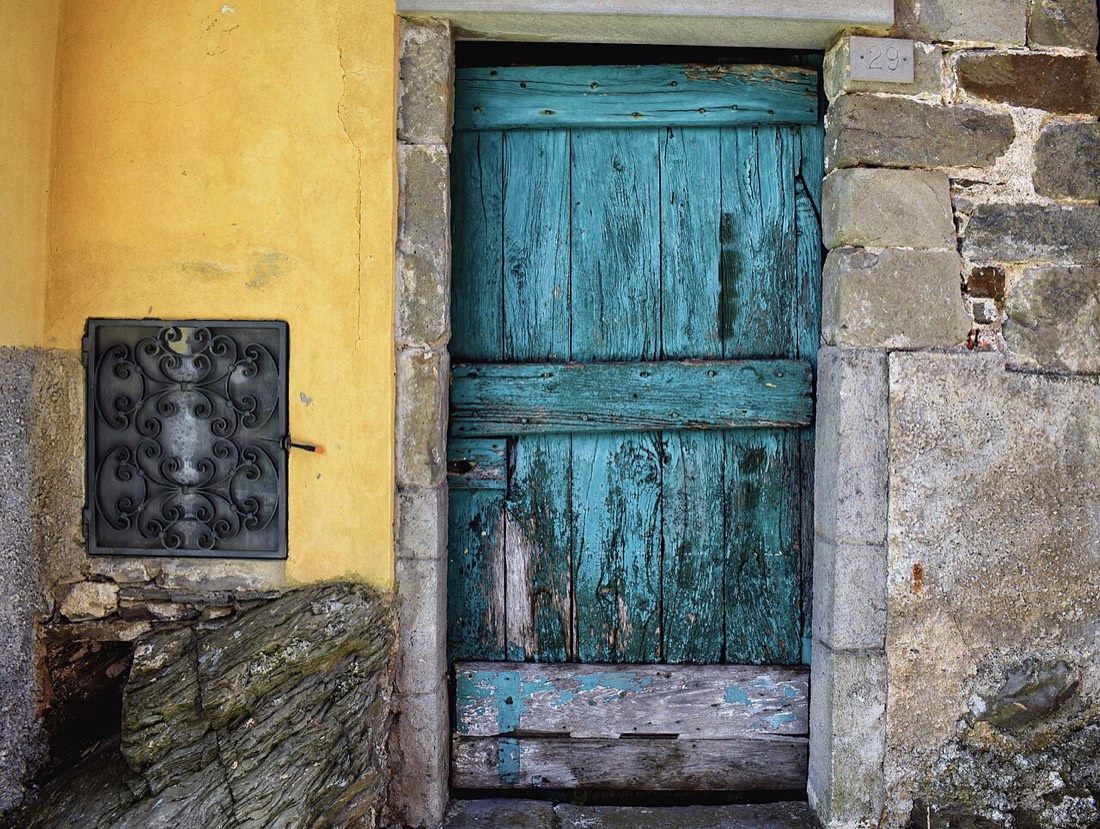
There is a particular calm that blue-green shades bring to a room, a quality drawn straight from the meeting of sea and sky. These colours sit between
Broken colour techniques create depth that flat paint cannot. By working a glaze with cloth, sponge, or brush, you reveal layers of tone. The result i