Material
Colouring Architectural Detail With Confidence
A room's architecture is its framework, and colour can celebrate it. Cornicing, panelling, beams, and alcoves all respond to considered paint. Highlig
The fundamental divide in paint technology explained, and how it shapes odour, drying, durability and cleaning.

The most fundamental distinction in paint is not colour or sheen but what carries the pigment and binder while the paint is wet. Water-based and solvent-based paints behave very differently, and understanding the divide helps explain why the decorating trade has shifted so decisively towards water-based products in recent years, and why solvent-based paints nonetheless retain their uses.
Water-based paints, which include nearly all modern emulsions and a growing range of acrylic trim paints, use water as their principal carrier. As the paint dries, the water evaporates and the resin particles coalesce into a continuous film. The practical consequences are considerable: low odour, relatively low levels of volatile organic compounds, fast drying so that recoating can often happen the same day, and the great convenience that brushes, rollers and spills clean up with warm, soapy water. Crucially, water-based trim paints do not yellow with age, so a white stays white.
Solvent-based paints, traditionally called oil-based, carry their binder in organic solvents such as white spirit. They dry more slowly as that solvent evaporates, release a much stronger odour and higher VOCs, and require white spirit or a proprietary brush cleaner to clean tools and remove spills. Their classic drawback on interior woodwork is a tendency to yellow over time, particularly in areas starved of natural light, so an old oil-based white gloss often mellows to cream.
Against these disadvantages, solvent-based paints offer genuine strengths that explain their survival. They tend to flow and level exceptionally well, the slower drying giving brush marks time to settle out into a very smooth film, and they cure to a notably hard, tough finish. That toughness and the depth of a traditional high gloss keep them in favour for demanding trim, certain metalwork and situations where maximum durability or a particular classic finish is wanted. The longer open time can also help when working a large or intricate area by hand.
Water-based paints have improved markedly and now rival oil-based products for durability in most interior settings, which, combined with their health, convenience and non-yellowing advantages, is why they have become the default for the great majority of work. Their faster drying is usually a benefit, returning rooms to use sooner, though it does mean the painter must work briskly to keep a wet edge, since the paint sets before it can be endlessly reworked. For anyone sensitive to odour, or redecorating an occupied home, the low-VOC, low-smell character of water-based paint is a decisive point in its favour.
When switching an old solvent-based surface to a water-based paint, a little care pays off. The existing finish, often hard and glossy, must be cleaned and keyed by sanding so the new water-based coat can grip, and in some cases an appropriate primer improves adhesion over the old oil film. Done properly, the changeover is straightforward and brings all the modern benefits. For most decorators today the sensible starting point is water-based throughout, reaching for solvent-based paint only where its particular hardness, flow or traditional appearance is specifically called for. Knowing the trade-offs lets you choose deliberately rather than by habit.
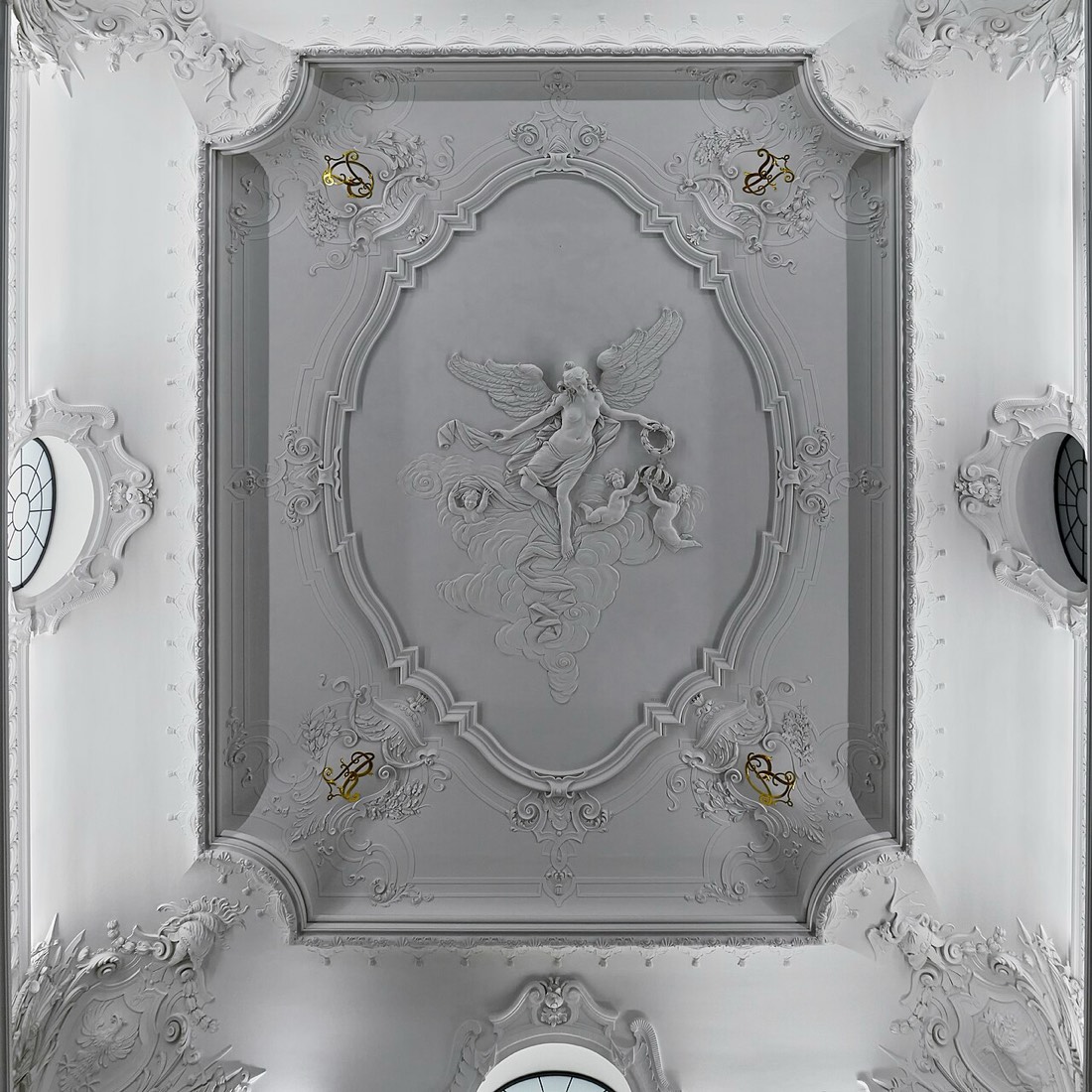
A room's architecture is its framework, and colour can celebrate it. Cornicing, panelling, beams, and alcoves all respond to considered paint. Highlig
White seems like the safest colour choice, yet it is one of the trickiest. There are countless whites, each with a hidden undertone. A white that glow
Colour drenching is the practice of painting walls, ceiling, woodwork, and often doors in an unified shade. The effect is immersive, wrapping a room i