Material
Not All Off-Whites Are Equal: Choosing the Right Soft Neutral
White seems like the safest colour choice, yet it is one of the trickiest. There are countless whites, each with a hidden undertone. A white that glow
A room's architecture is its framework, and colour can celebrate it. Cornicing, panelling, beams, and alcoves all respond to considered paint. Highlig
A room's architecture is its framework, and colour can celebrate it. Cornicing, panelling, beams, and alcoves all respond to considered paint. Highlighting these features adds depth and character. Colour reveals the craft a plain scheme hides. Architecture deserves its moment.
Picking out a feature in a different colour draws the eye. A fireplace, a beam, or a run of panelling gains definition with paint. This deliberate highlight celebrates the room's detail. It turns structure into decoration. Contrast reveals the bones. Seen from morning to dusk, it keeps the room feeling dynamic.
Painting a feature softly offers a subtler celebration. A shade or two off the wall gives gentle definition. This quiet approach honours the detail without shouting. It feels sophisticated and considered. Tonal highlighting is refined. The effect is understated yet unmistakable once the light settles across it.
Alcoves offer an inviting canvas for colour. Painting the back of an alcove a deeper shade adds depth and frames its contents. This simple trick turns a recess into a feature. It draws the eye and adds dimension. Alcoves reward a bolder colour. Seen from morning to dusk, it keeps the room feeling alive.
Panelling gains real character from considered colour. Picking it out, or washing it in one rich tone, celebrates its craft. A deep colour on panelling grounds a room beautifully. This classic treatment adds dignity. Panelling and colour are natural partners. Lived with over time, it only grows more convincing in the space.
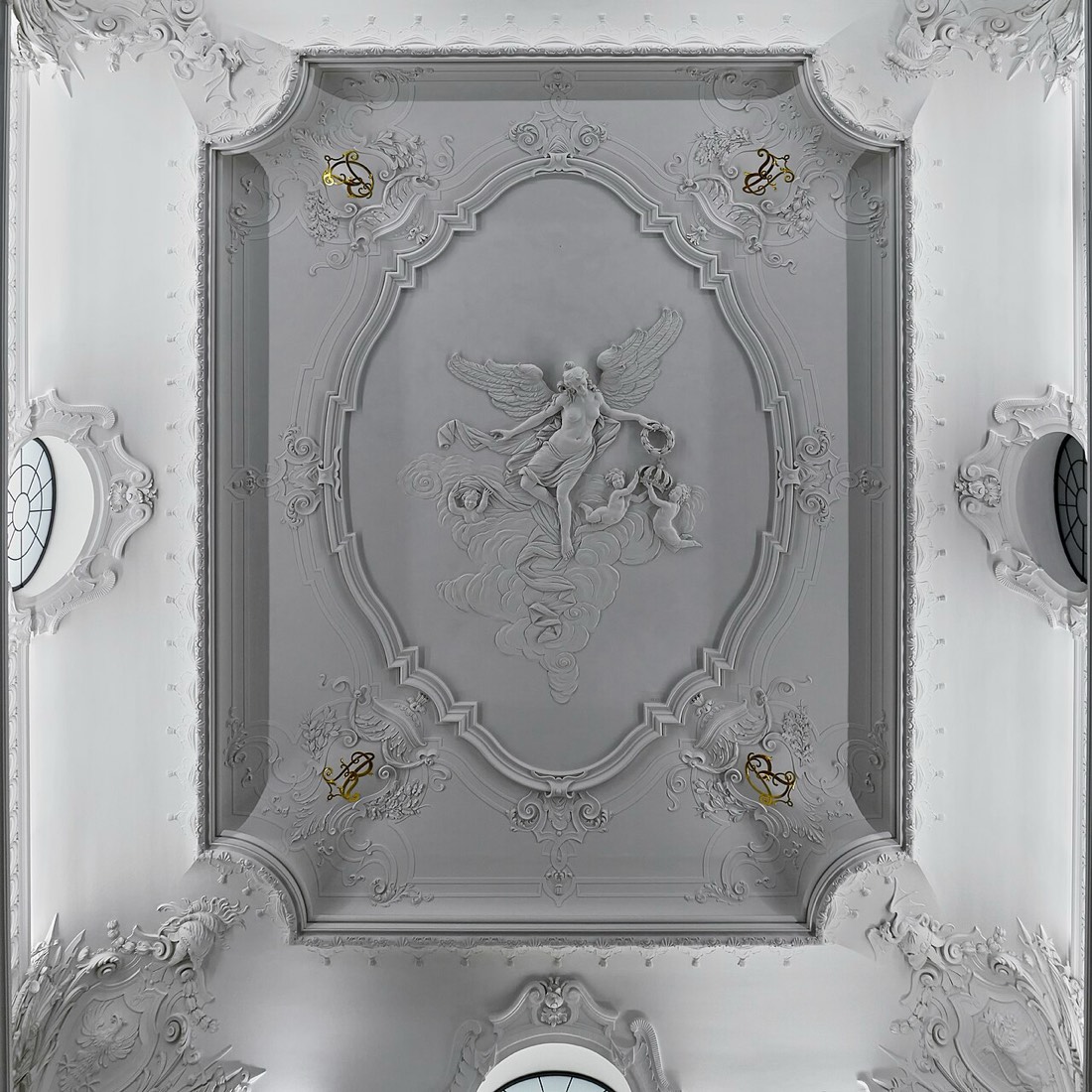
Cornicing and ceiling roses invite attention. Picking out these details, or letting them flow in one colour, shapes the room. A painted cornice frames the ceiling, while a bold rose draws the eye up. These flourishes reward the brush. Detail overhead should not be wasted. Seen from morning to dusk, it keeps the room feeling dynamic.
Beams offer a chance to ground a room's structure. Dark beams against pale walls add rustic character. Painted to match the walls, they recede for a calmer look. Either choice shapes the room's feel. Beams are a decorative decision. The effect is subtle yet unmistakable once the light settles across it.
Colour can adjust awkward architecture too. A deep shade can foreshorten a long wall or ground a high ceiling. Paint reshapes proportions that the builder left imperfect. This practical use serves as well as it celebrates. Colour corrects as it adorns. Against the right companions, it feels resolved rather than accidental.
The feature's colour should respond to the whole scheme. A highlight drawn from the room's palette feels deliberate. An unrelated shade can look arbitrary. Harmony keeps the feature from standing apart. The detail should belong to the room. Lived with over time, it only grows more at home in the space.
Light shapes how a highlighted feature appears. A deep colour on a beam or alcove may need good light to show its depth. Considering where the light falls guides the choice. The feature should look its best in its real conditions. Light reveals the detail. Lived with over time, it only grows more at home in the space.
Celebrating architecture makes a room feel intentional. It signals that the room's own character has been honoured. This attention separates a designed room from a plain one. The bones of the room become its beauty. Colour completes the structure. Seen from day to night, it keeps the room feeling dynamic.
Lighting a highlighted feature completes its character. A wall light on panelling or a lamp near an alcove draws attention to the detail. The right light makes the craft visible. Colour and light celebrate the feature together. A well-lit detail earns its highlight. Seen from day to night, it keeps the room feeling dynamic.
Even simple features reward a little colour. A plain run of shelving, a door, or a window reveal gains character from paint. Not every feature must be grand to deserve attention. Small details, picked out, add charm. Colour finds the beauty in modest architecture. Few decisions of such modest effort repay the room so generously.
So look at your room's detail as an opportunity for colour. Pick out cornicing, panelling, beams, or alcoves to celebrate their craft. Choose bold contrast or subtle tonal shades, relate them to the scheme, and mind the light. Use colour to correct awkward proportions too. The result is a room whose own character becomes its decoration.
White seems like the safest colour choice, yet it is one of the trickiest. There are countless whites, each with a hidden undertone. A white that glow
Colour drenching is the practice of painting walls, ceiling, woodwork, and often doors in an unified shade. The effect is immersive, wrapping a room i
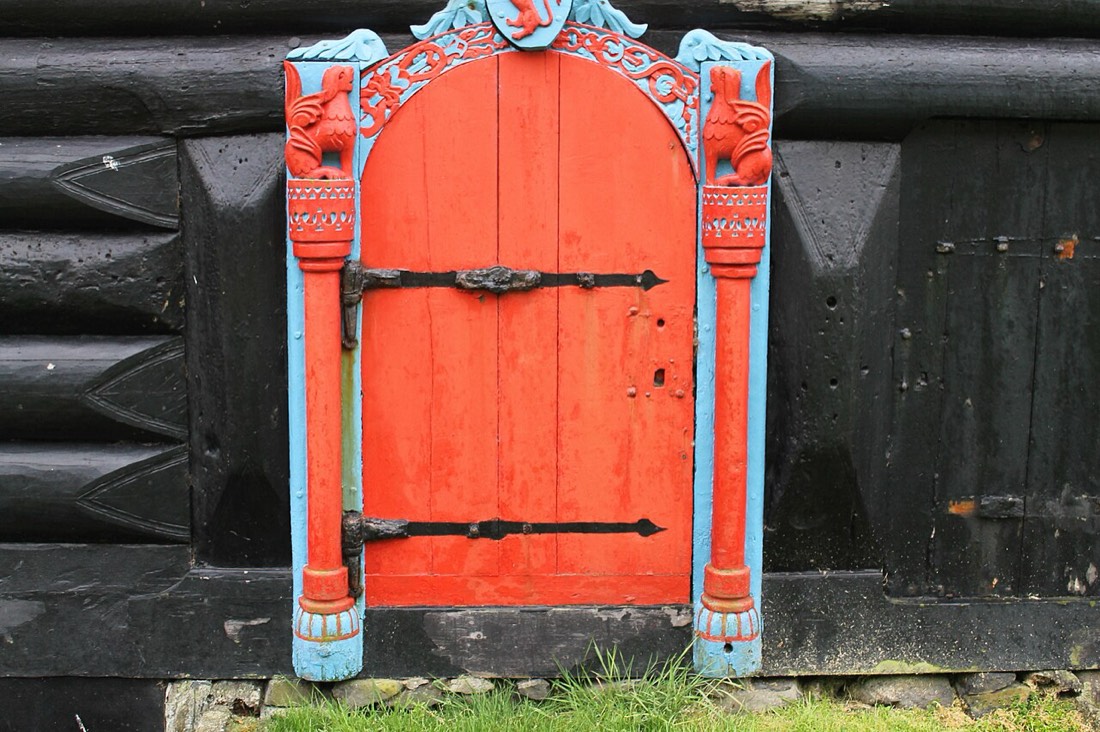
Jewel tones bring an unmistakable sense of richness to a home. Named for precious stones, these colours, emerald, sapphire, ruby, and topaz, carry a d