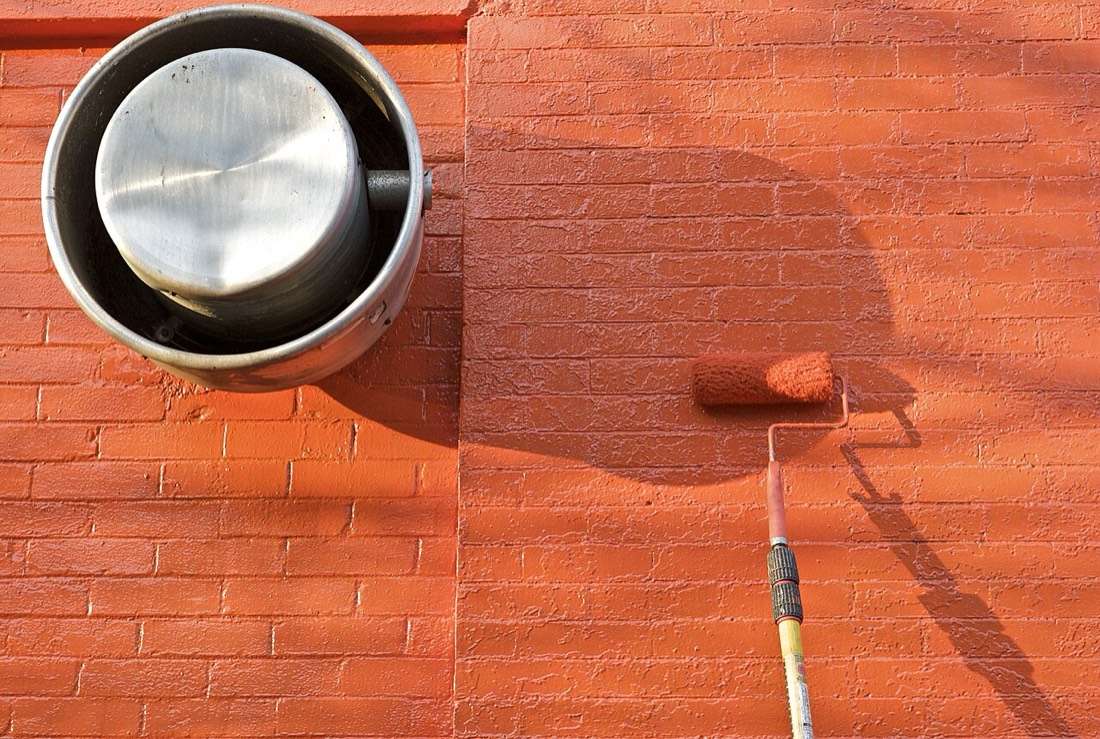
Renovation
Limewash: The Soft Finish With Centuries of History
Limewash is one of the oldest wall finishes known to the home, and its appeal has never truly faded. Made from slaked lime thinned with water, it sink
How to clean, repair and repaint rendered and masonry walls so the finish protects as well as it decorates.
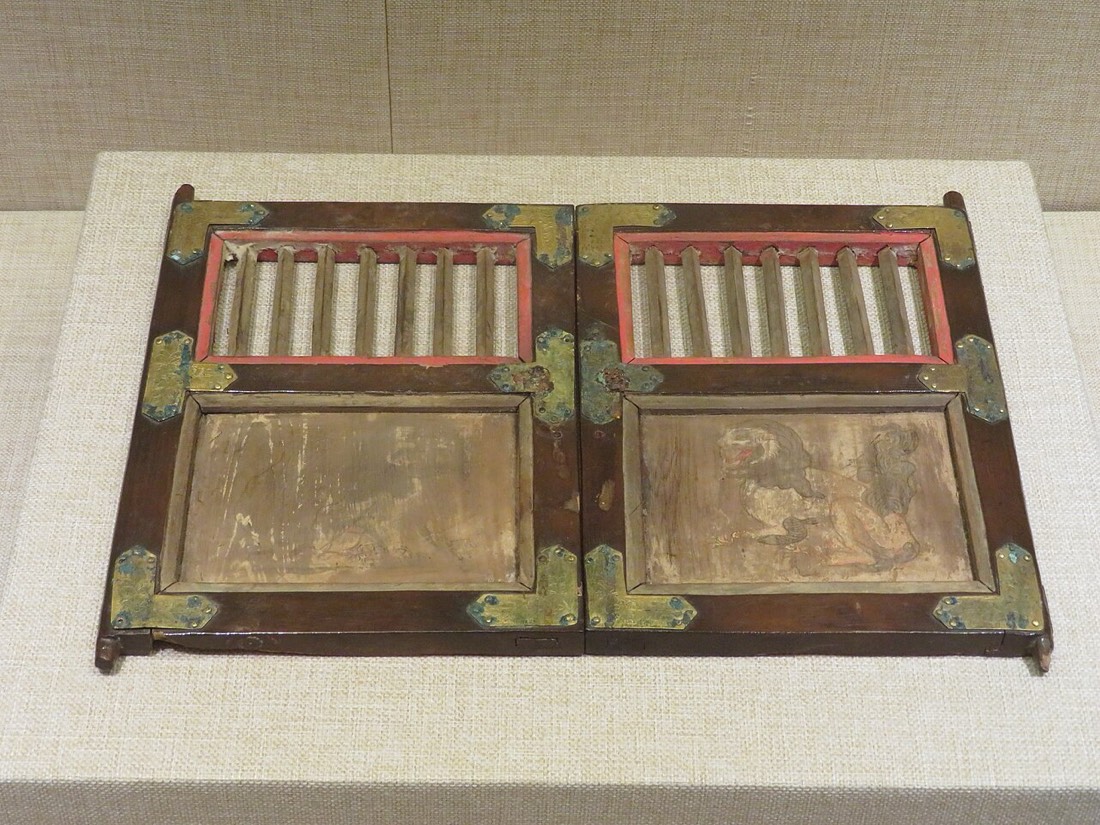
Exterior masonry takes the full force of the British climate, so repainting it is as much about protection as appearance. Rain, frost, sunlight and pollution gradually break down an old coating, and once the film fails, water reaches the substrate and damage accelerates. A well-executed masonry refresh seals and protects the wall, improves its looks and can transform the whole appearance of a building, but, as with all painting, the outcome rests on preparation and on choosing settled conditions to work in.
Timing and weather matter more outdoors than almost anywhere else. Masonry paint needs dry, mild conditions to cure properly, so work is best planned for a spell of settled, moderate weather, avoiding rain, frost, strong direct sun on a hot day and the risk of overnight damp. Painting a wall that is damp, or that will be rained on before the paint has cured, invites peeling and poor adhesion. The wall itself must be thoroughly dry before any coating is applied.
Preparation begins with cleaning. Exterior walls accumulate dirt, algae, lichen and moss, all of which prevent paint from bonding. The surface should be cleaned down to remove loose material and biological growth, treating algae and lichen with a suitable fungicidal wash so they are killed rather than merely brushed off, as living growth left in place will push through and spoil new paint. The cleaned wall must then be allowed to dry fully.
Repairs come next. Cracks in render, loose or hollow patches, failed pointing and damaged areas should all be made good before painting, using appropriate exterior fillers and repair mortars, because paint will not bridge a defect and will quickly fail over loose material. Any unstable or flaking existing paint must be scraped back to a sound, firmly adhered surface. Where render is powdery, chalky or has been previously unpainted and is highly absorbent, a stabilising or masonry sealer is applied first to bind the surface and ensure the topcoats adhere and cover evenly.
With a sound, clean, dry and sealed surface prepared, the masonry paint can be applied, normally in two coats. Smooth masonry paints give a clean, even finish, while textured products help disguise minor surface imperfections and offer extra protection on rougher walls. Modern formulations are designed to be breathable to a degree, allowing moisture within the wall to escape while shedding rain from outside, which helps prevent the trapping of damp behind the film. Applying generous, even coats and allowing the first to dry fully before the second builds a continuous protective film across the whole elevation.
Access and safety are practical realities of exterior work that should never be an afterthought. Reaching the upper reaches of a wall safely, with stable access and sound equipment, is part of planning the job properly, and working methodically across manageable sections keeps a wet edge and avoids visible joins. Attention to detail around features such as window surrounds, sills, downpipes and the junction with the roofline not only looks better but closes off the points where water most often finds its way behind a coating. Done thoughtfully, a masonry refresh will keep a building looking crisp and, more importantly, keep the weather out for many years.
Limewash is one of the oldest wall finishes known to the home, and its appeal has never truly faded. Made from slaked lime thinned with water, it sink
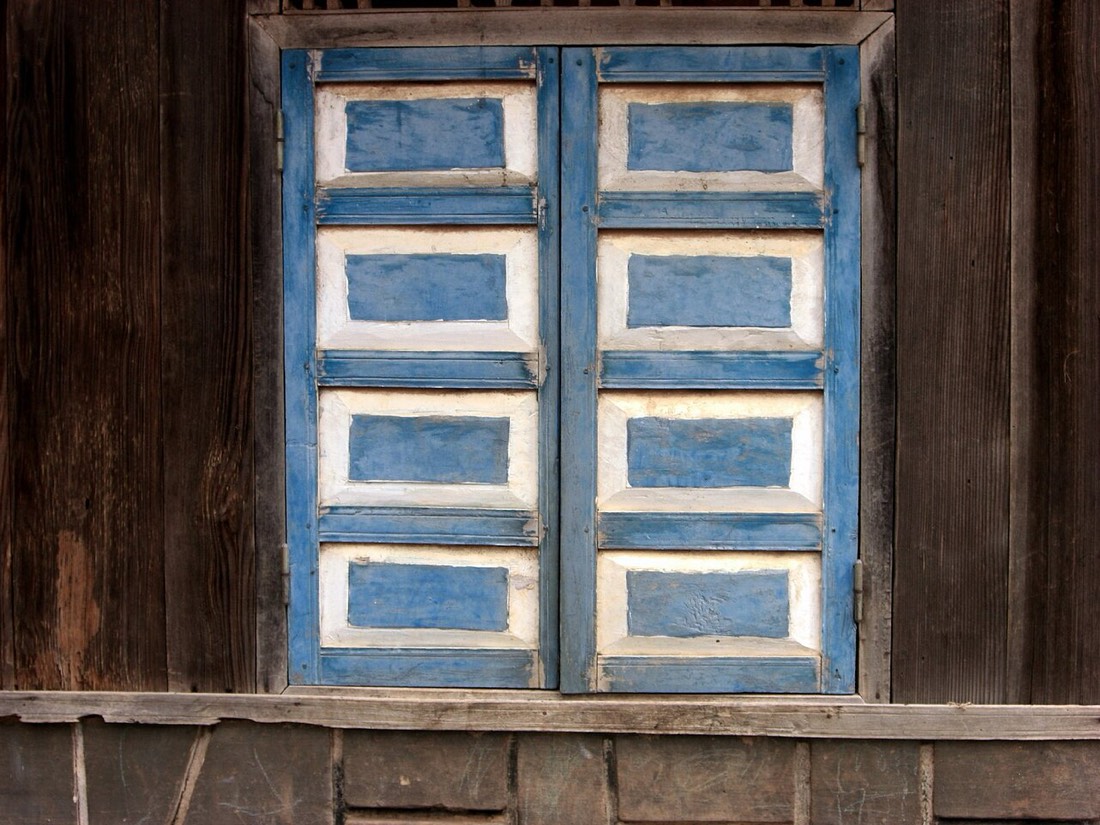
North-facing rooms receive a cool, constant light that flatters some colours and flattens others. Without direct sun, the light carries a faintly blue

The garden is an open-air room that rewards thoughtful colour. Painted fences, sheds, furniture, and walls all offer a canvas. Considered colour turns