Renovation
Warming Up a North-Facing Room With Colour
North-facing rooms receive a cool, constant light that flatters some colours and flattens others. Without direct sun, the light carries a faintly blue
Limewash is one of the oldest wall finishes known to the home, and its appeal has never truly faded. Made from slaked lime thinned with water, it sink
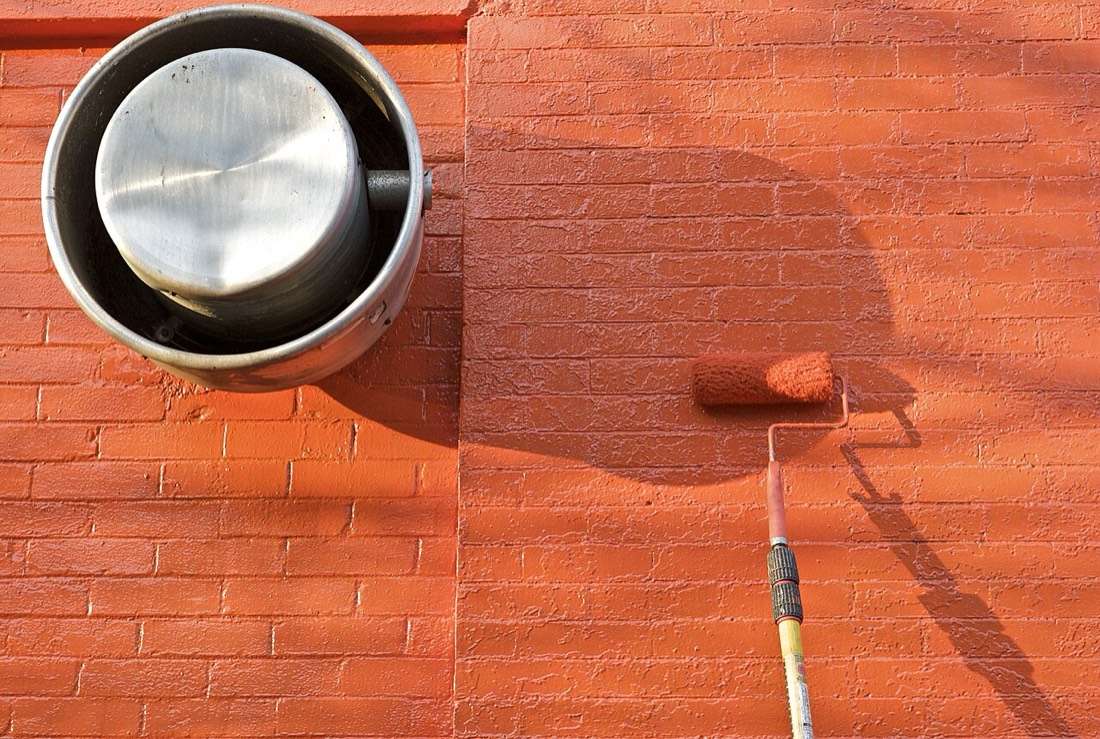
Limewash is one of the oldest wall finishes known to the home, and its appeal has never truly faded. Made from slaked lime thinned with water, it sinks into a surface rather than sitting on top of it. The result is a soft, chalky, slightly cloudy depth that flat modern paint simply cannot imitate. Walls finished this way seem to soften gently as the light moves across them. It is a finish with the patina of centuries built into its nature.
The distinctive look of limewash comes from its variegated absorption into the wall. Rather than a single uniform tone, you get subtle movement, with areas that read a touch lighter or deeper. This cloudy quality is the whole point, lending plaster a hand-made, timeworn character. It suits old cottages and new builds alike, softening hard edges and modern angles. The imperfection is precisely what makes it feel alive.
Limewash is prized not only for beauty but for its breathability. Because lime is a mineral finish, it allows moisture to pass through rather than trapping it behind a film. In older solid-wall homes this is a genuine practical virtue, helping walls manage damp naturally. It works with the building rather than sealing it shut. This marriage of looks and function is rare in the world of paint.
Applying limewash is a different craft from rolling on ordinary emulsion. It is brushed on in thin, crisscrossing coats, each one soft and almost translucent. The colour appears milky and alarming while wet, then dries back to reveal its true, chalky depth. Patience is essential, since the finish builds gradually over two or three coats. The brushwork itself becomes part of the texture.
Colour behaves differently in limewash than in conventional paint. Pigments are held in a mineral base, which gives even strong colours a soft, powdery quality. Deep earthy tones such as ochre, terracotta, and smoky blue look especially handsome in this medium. The cloudiness keeps bold shades from ever feeling flat or plasticky. It is colour with the volume turned gently down.
Limewash rewards those who embrace its movement rather than fighting it. If you want a dead-flat, uniform wall, this is not the finish for you. But if you love the look of aged European plaster, limewash delivers it honestly. Each wall becomes a little unrepeatable, shaped by the brush and the surface beneath. That individuality is a feature, not a flaw.
Surface preparation matters greatly with a mineral finish like this. Limewash bonds best to porous, absorbent surfaces such as bare plaster, brick, or a suitable mineral primer. On sealed or previously painted walls it needs the right ground to grip. Getting this foundation right is the difference between a lasting finish and a flaky one. The old craft rewards respect for its materials.
The way limewash answers to light is part of its enduring charm. Morning sun skims across the subtle texture and reveals every soft variation. By evening, lamplight pools gently in the chalky surface, deepening the colour. The wall is never quite the same twice, which keeps a room feeling living. This quiet animation is something flat paint can never offer.
Limewash suits a particular mood of interior, one that values age, calm, and craft. It belongs in rooms dressed with natural linen, worn timber, and unhurried antiques. Against such furnishings the chalky walls feel entirely in keeping. The whole scheme reads as gathered over time rather than bought in a weekend. It is a finish for those who prefer soul to slickness.
Maintenance of a limewashed wall is refreshingly simple. Small marks can often be gently touched in, and the finish patinates rather than scuffs. Over years it mellows further, deepening the sense of age that drew you to it. Rather than looking tired, it looks increasingly settled. Time is kind to lime in a way it rarely is to plastic paint.
Choosing limewash is choosing a slower, more tactile relationship with your walls. It asks a little more in preparation and application than ordinary emulsion. In return it gives a depth, softness, and history that no synthetic finish can match. For a room meant to feel rooted, few finishes come close. It is craft you can live inside.
If you are drawn to the look of old plaster and sun-faded walls, limewash is worth the effort. Begin on a single characterful wall, perhaps in a bedroom or hallway, and learn its rhythm. Let the brushwork be loose and the colour be earthy. Give it good light to play across, and the finish will reward you daily. Few paints offer so much soul for so little in the tin.
North-facing rooms receive a cool, constant light that flatters some colours and flattens others. Without direct sun, the light carries a faintly blue

The garden is an open-air room that rewards thoughtful colour. Painted fences, sheds, furniture, and walls all offer a canvas. Considered colour turns
There is a quiet beauty in a colour that looks gently faded by time. Where a fresh, saturated shade can feel new and loud, a faded one feels settled.