There is a particular quality to the light in a north-facing room. It is steady, even, and flattering in its own way, but it is also cool and never touched by direct sun. Artists have prized this light for centuries because it changes so little through the day, yet the same consistency that suits a studio can leave a living room or kitchen feeling flat and a little austere. The good news is that paint is one of the simplest and most effective ways to warm such a space without expensive structural work.
The instinct many people have is to reach for a crisp white, hoping it will brighten the room. In a north-facing space this often backfires. Cool north light draws out the blue and grey undertones in a bright white, and the room can end up feeling clinical or even slightly grey. The surprising remedy is to lean into warmth rather than away from it, choosing colours that carry a gentle undertone of red, yellow, or earth to counterbalance the coolness of the natural light.
Warm whites and soft off-whites are the natural starting point. Shades with a hint of cream, oatmeal, or the barest touch of pink read as clean and light but do not turn cold when the daylight hits them. These colours give you the airy feeling of a pale room while quietly compensating for the missing sun. They work beautifully on walls that you still want to feel bright, and they sit happily alongside natural wood and textured fabrics.
Embracing Deeper Tones
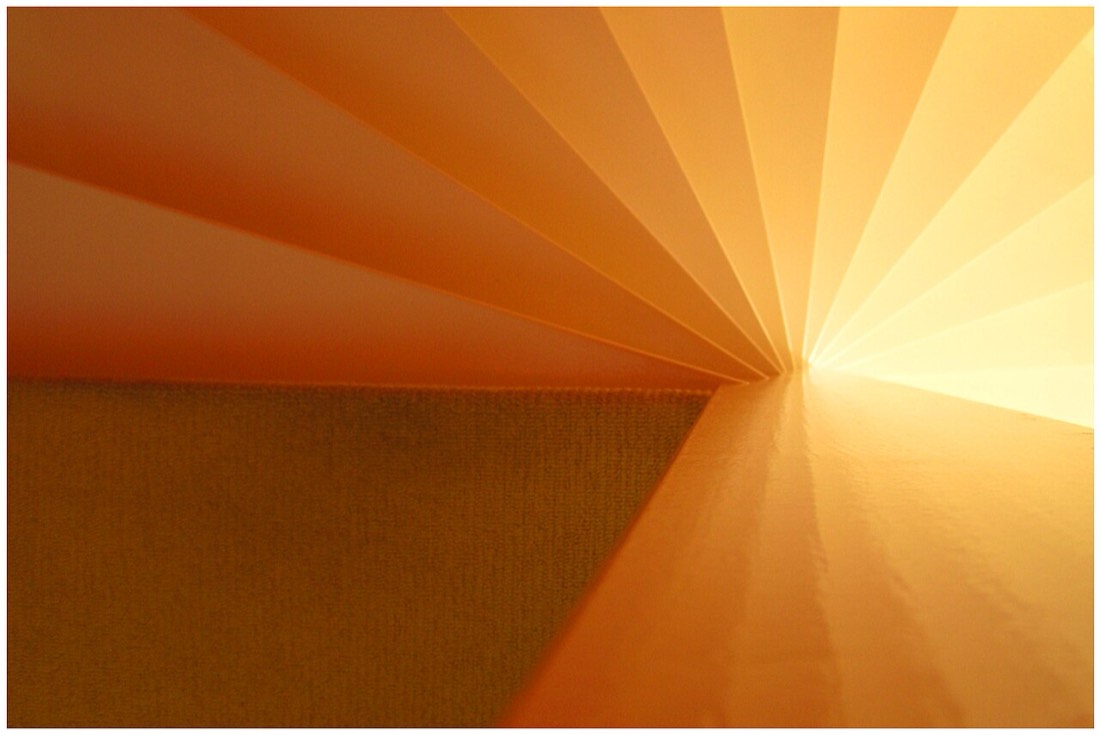
Counterintuitive as it sounds, one of the most successful strategies for a north-facing room is to stop fighting the lack of light and instead embrace it. A deep, enveloping colour can turn a dim room into a cocoon that feels deliberate and cosy rather than accidentally gloomy. Soft terracottas, warm clay tones, ochres, and muted olive greens all have enough yellow or red in them to glow gently even under cool light.
Deep, warm neutrals such as mushroom, taupe, and putty are especially forgiving. They have the depth to feel grounded and the warmth to stay welcoming, and they provide a wonderful backdrop for artwork, books, and soft lighting in the evening. A room painted in these tones can feel like a retreat, which is often exactly what a north-facing snug or dining room wants to be.
Texture plays a quiet but important role in how warm a room feels, and paint finish is part of that. A matt finish absorbs light softly and lends a tactile, chalky depth to warm colours that suits a north-facing space well. Flat sheens avoid the cool reflections that a glossier finish can throw back from an already cool light source, keeping the overall feeling gentle and enveloping.
The way a colour behaves on different planes of the room is worth considering too. Painting the ceiling in a soft, warm tone rather than a stark white can lower the apparent height just enough to make a large north-facing room feel more intimate. Carrying a warm neutral up onto the ceiling, or choosing a colour drenched approach where walls, trim, and ceiling share one hue, removes the hard contrast lines that cool light tends to emphasise.
Accent colours give you the chance to inject real warmth without committing the whole room. A fireplace wall in a deep burnt orange, an alcove picked out in a rich russet, or joinery painted in a honeyed green can act as a focal point that radiates warmth and draws the eye away from the cooler main light. These moments of colour feel especially effective in the evening, when artificial light brings out their glow.
Artificial lighting and paint colour must be considered together in any north-facing room, because for much of the year these spaces rely on lamps as much as daylight. Warm-toned bulbs will flatter warm paint colours and amplify the cosy effect, while cool white bulbs can undo all your careful colour choices by reintroducing the very chill you were trying to banish. Choosing warmer lamps and placing them at several levels around the room builds pools of inviting light.
It is always worth testing colours directly on the wall rather than trusting a swatch under shop lighting. In a north-facing room this matters more than anywhere else, because the cool light will shift every undertone. Paint a generous patch, live with it through a full day and into the evening, and watch how the colour changes from morning to lamplight. A shade that looks warm on a card can turn surprisingly grey on a north wall, and only a real test will reveal it.
Finally, remember that paint does not work alone. The warmest paint colour will feel its best when it is surrounded by complementary materials: natural timber, woven baskets, wool throws, and plenty of soft layered lighting. These elements reinforce the warmth that your colour palette establishes, turning a room that could have felt cold and unloved into one that people want to linger in.
It is also worth thinking about the adjoining spaces. North-facing rooms rarely sit in isolation, and a warm scheme can feel disconnected if the hallway or neighbouring room is painted in a cool, bright white that is visible through the doorway. Carrying a hint of the same warmth into the surrounding areas, or at least choosing a connecting neutral that shares an undertone, helps the warm room feel like a deliberate part of the home rather than an island of colour. The eye reads the transition as intentional and harmonious.
A north-facing room is not a problem to be solved so much as a character to be worked with. Once you stop chasing brightness and start building warmth, the steady, even light becomes an asset, lending calm and depth to colours that reward you every time you walk through the door.