
Technical
The Quiet Technical Side of a Healthier Home Environment
Beyond colour charts, the real health of a home lives in its air, its light and its surfaces. A practical look at the details that shape how you feel indoors.
Sheen is more than a cosmetic choice. It shapes durability, washability, and how light moves across a wall.

One of the most common questions we hear at the paint counter has nothing to do with colour. It is about sheen. Customers have chosen a shade they love, only to discover that the same colour can look and behave very differently depending on the finish they pick. Sheen, the degree to which a dried paint film reflects light, is a quiet but powerful variable, and understanding it is the difference between a surface that performs for years and one that disappoints within months.
At the lowest end of the scale sits matt, sometimes called flat. A matt finish reflects almost no light, which gives walls a soft, velvety appearance and does an excellent job of hiding minor imperfections. Small dents, filled cracks, and uneven plaster all but vanish under a good matt coat because there is no reflection to draw the eye to them. The trade-off is washability. Traditional matt paints can mark easily and are harder to clean without burnishing the surface, though modern acrylic matts have narrowed that gap considerably.
Moving up the scale, eggshell and satin finishes introduce a gentle, low-level glow. Eggshell is named for exactly the reflectance you would expect from a chicken egg, a quiet sheen that is neither flat nor shiny. Satin carries slightly more lustre again. Both finishes resist moisture and scuffing better than matt, which makes them a sensible choice for hallways, stairwells, children's bedrooms, and any wall that sees regular contact. They wipe down cleanly and tolerate the occasional scrub.
Higher still are semi-gloss and full gloss. These finishes reflect a great deal of light and form a hard, tight film that resists moisture, grease, and repeated cleaning. This is why they have long been the traditional choice for woodwork, skirting boards, door frames, and kitchen and bathroom joinery. A glossy surface can be wiped with a damp cloth almost indefinitely, and it stands up to the knocks that trim inevitably takes.
The relationship between sheen and toughness is not accidental. Higher sheen generally means a higher ratio of binder to pigment in the paint. Binder is the component that holds the film together and bonds it to the surface, so a resin-rich glossy paint forms a denser, more impervious skin. Pigment-heavy matt paints, by contrast, have a slightly more open, porous film. That porosity is what gives matt its light-absorbing softness, but it is also what makes it more vulnerable to staining and abrasion.
This explains a frequent frustration. People paint a busy hallway in a beautiful deep matt and are dismayed when fingerprints and bag scuffs appear within weeks. The colour was never the problem. A satin or eggshell version of the same shade would have resisted the daily wear far better while still looking calm and understated.
Light behaviour is the other half of the story. A glossy surface acts almost like a mirror, bouncing light around a room and emphasising every undulation beneath it. On a perfectly smooth, well-prepared surface this can be stunning. On an old wall with filled cracks or wavy plaster, gloss is merciless, throwing every flaw into sharp relief. This is the single most important lesson for anyone considering a higher sheen on walls rather than trim: the finish is only as good as the preparation beneath it.
Preparation, therefore, should scale with the sheen you intend to use. For matt walls, filling the obvious defects and a light sand is usually enough. For satin or gloss, you want the surface flat, smooth, and dust-free, because the finish will advertise anything you leave behind. Sanding between coats, using a fine filler, and checking the wall in raking light before you commit will pay dividends.
Room function should guide the decision as much as taste. Kitchens and bathrooms benefit from wipeable, moisture-resistant finishes, so eggshell or satin on walls and semi-gloss on trim is a dependable combination. Living rooms and bedrooms, where the walls are rarely touched and a restful mood is wanted, are natural homes for matt. Ceilings are almost always flat matt, both to hide imperfections and to avoid distracting reflections overhead.
Colour perception shifts with sheen too, which surprises many people. A higher sheen reflects more of the surrounding light, so a shade can appear a touch lighter and more vivid in gloss than in matt, where the same pigment reads as deeper and more muted. If you are matching a new finish to existing paintwork, it is always worth testing the colour in the actual sheen you plan to buy rather than relying on a flat swatch.
There is also a middle path worth knowing about. Many manufacturers now offer washable or scrubbable matt finishes designed specifically for high-traffic areas. These products aim to deliver the chalky, light-absorbing look of a true flat while adding a tougher, cleanable film. They are not quite as bulletproof as satin, but for anyone who loves the matt aesthetic in a busy home, they are a genuine and welcome compromise.
It also helps to think about how sheen reads in combination across a single room. A common and pleasing arrangement pairs a matt or washable matt on the walls with an eggshell or satin on the woodwork, so the trim is quietly delineated from the walls by its subtly higher reflectance. The contrast is gentle rather than showy, but it adds definition and a sense of considered finish that a uniform sheen throughout can lack. Deciding on these relationships before you buy saves awkward mismatches later.
The best advice is to think of sheen as a functional specification first and an aesthetic choice second. Decide what the surface needs to withstand, choose the sheen that meets that demand, and then select your colour within that finish. Approached this way, sheen stops being a confusing afterthought and becomes one of the most useful tools you have for making paint last and look its best.
Beyond colour charts, the real health of a home lives in its air, its light and its surfaces. A practical look at the details that shape how you feel indoors.
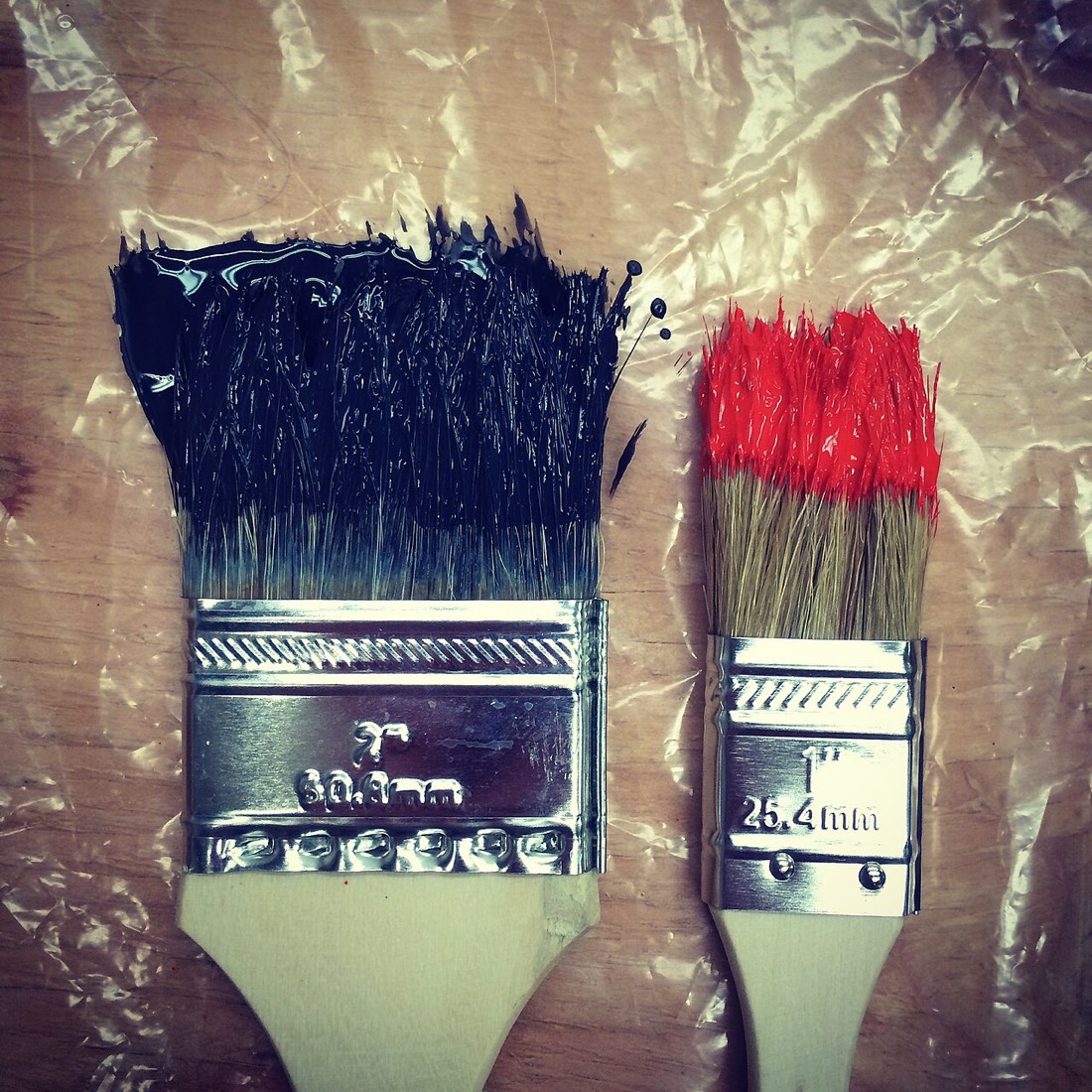
Sheen is the quiet technical decision that determines how durable, washable and forgiving your paint finish will be. Getting it right matters as much as the colour itself.
A good paint job is partly technical and partly about how you feel in the finished room. Here is how to plan a refresh that supports comfort, airflow and energy at home.